
“My friend and I drive the exact same car model, installed the exact same spark plugs at roughly the same time, yet during our latest service, our plugs looked completely different. His came out looking healthy, while mine were heavily worn and choked with severe carbon buildup. Why such a massive difference?”
Spark plug lifespan is never as simple as “how many miles you’ve driven.” Evaluating a plug’s true condition requires looking at real-world road conditions and engine operating cycles.
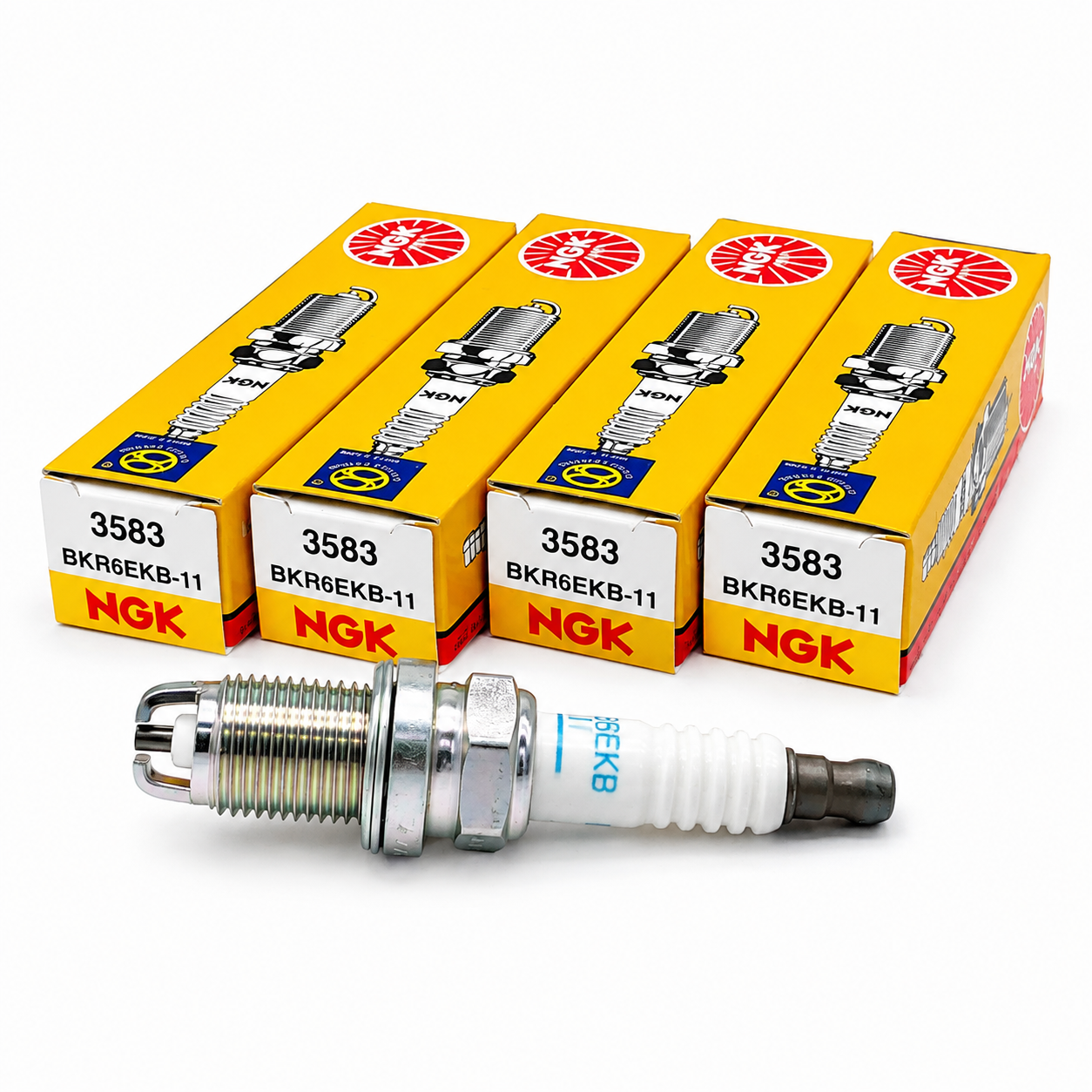
Spark plugs operate constantly under extreme heat, high cylinder pressure, and rapid electrical discharge. Different driving conditions continually alter combustion chamber temperatures, engine load, and contamination levels. Let’s examine how various driving cycles directly impact spark plug health:
1.Stop-and-Go City Traffic: Carbon Fouling Takes Over
Vehicles driven primarily at low speeds, in bumper-to-bumper traffic with extended idling, are prime targets for carbon fouling. Under these conditions, the engine operates at low RPMs where the air-fuel mixture runs rich and burns incompletely, allowing soot to coat the spark plug's insulator nose. When inspecting plugs from these vehicles, should look for:
- Dark, blackened insulator nose
- Matte-black dry carbon soot around the electrodes
- Symptoms like cold-start stumbling, rough idling, or acceleration hesitation

2.Frequent Short Trips: Plugs Never Reach Self-Cleaning Temperature
On short commutes, the vehicle often reaches its destination just as the engine begins warming up—before engine oil, coolant, and combustion chamber temperatures have fully stabilized. Under these short-hop conditions, the spark plug rarely sustains its critical self-cleaning temperature (around 450°C–850°C/ 840°F–1560°F), remaining in a lukewarm state where carbon, oil residues, and moisture readily adhere.
The plugs on these vehicles may not show severe electrode melting, but their firing performance has already degraded. Inspections must take the owner's driving habits into account rather than judging by odometer mileage alone.
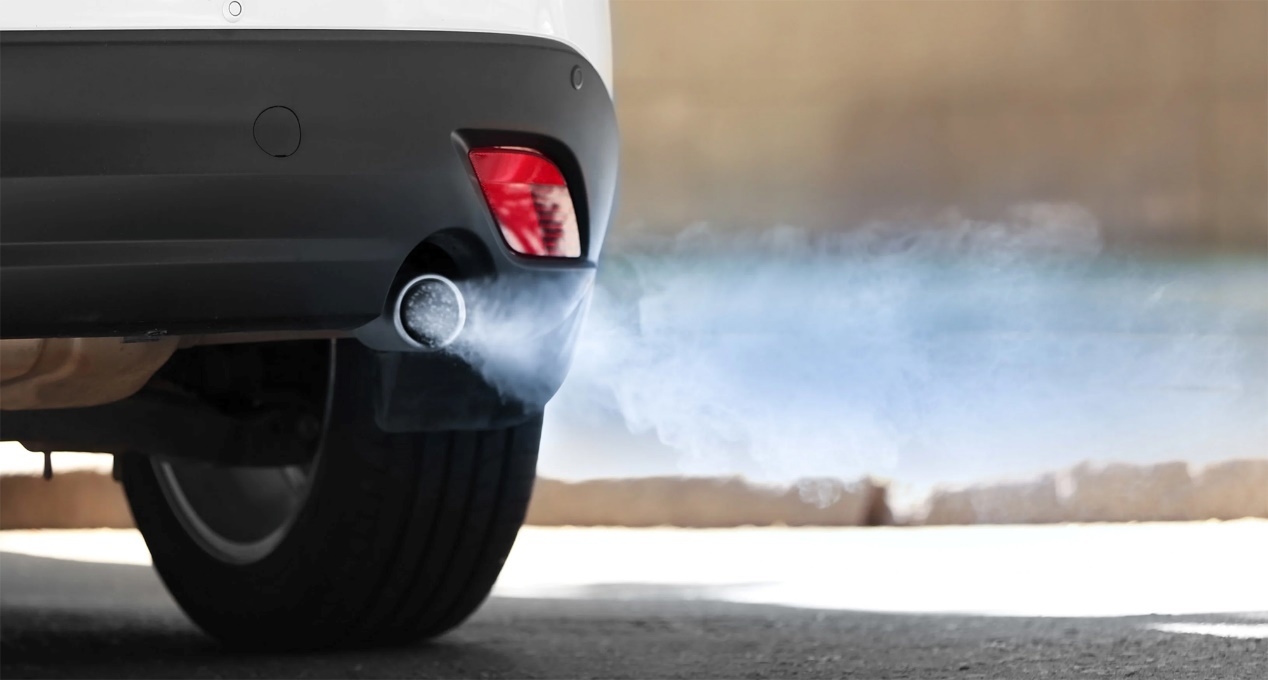
3.Long-Distance Highway Cruising: Electrode Erosion Outpaces Carbon
Vehicles that frequently cruise on open highways generally show little to no carbon fouling, but their electrode wear can still be substantial.
Sustained cruising under continuous load and high operating temperatures subjects the electrodes to relentless thermal stress and electrical erosion.
In these driving conditions, common symptoms include:
- Rounded electrode edges
- Progressively widening spark plug gap
- Increased demand on coil ignition voltage

4.Mountain Roads, Heavy Loads, and Steep Climbs: Extreme Thermal Loads
For vehicles frequently used for towing, hauling heavy cargo, driving on mountain passes, or prolonged hill climbing, combustion chamber temperatures soar, subjecting the spark plugs to immense thermal stress. When inspecting these plugs, focus on:
- Chalky white deposits, blistering, or severe electrode melting/erosion
- Heat-glaze or discoloration on the ceramic insulator
- Symptoms such as engine knock (detonation), power loss, or misfires under heavy load
While spark plugs are small components, their physical condition directly reflects the entire combustion health of the engine. For service technicians, diagnosing spark plug issues goes far beyond asking "how many miles are on them." Treating the spark plug as a clear "window into the combustion chamber"delivers far more accurate diagnoses and ensures repairs are done right the
first time.
Post time:Sep-25-2020
