
From a design standpoint, windshield wipers should last 4–5 years. In real-world use, however, many car owners have to replace them every 1–2 years. The main reason is that many everyday conditions can shorten a wiper’s service life.
For example, extreme heat and extreme cold have a big impact on wiper operating conditions. You can replace the wipers ahead of time or keep one or two spare sets on hand.
Wiper Lifespan Specified by Standards
Manufacturers have durability requirements when producing wipers.

The automotive industry standard QC/T 44-2009, Electric Windshield Wiper for Motor Vehicles, specifies that, apart from the rubber strip, the wiper should still be able to work after 150 × 10⁴ wiping cycles (1.5 million cycles). For the wiper rubber strip, the requirement is no less than 50 × 10⁴ wiping cycles (500,000 cycles).
What does that number mean? Let’s do a quick calculation.
Assume you drive out every rainy day and the wipers run for 1 hour each time. Annual wiper operating time would be about 103.1 hours.
Now look at wiper frequency. Wiper wiping frequency must be no less than 20 cycles/min and is generally 45–60 cycles/min. At 50 cycles/min, that is about 300,000 wipes per year.
Based on the standard above, a set of wipers should last about 5 years, and the rubber strip should last more than 1.5 years.
What Is the Real-World Wiper Replacement Cycle?
In practice, however, most wipers do not last that long. It is like some phone buttons rated for millions of presses that can still fail in a year or two.
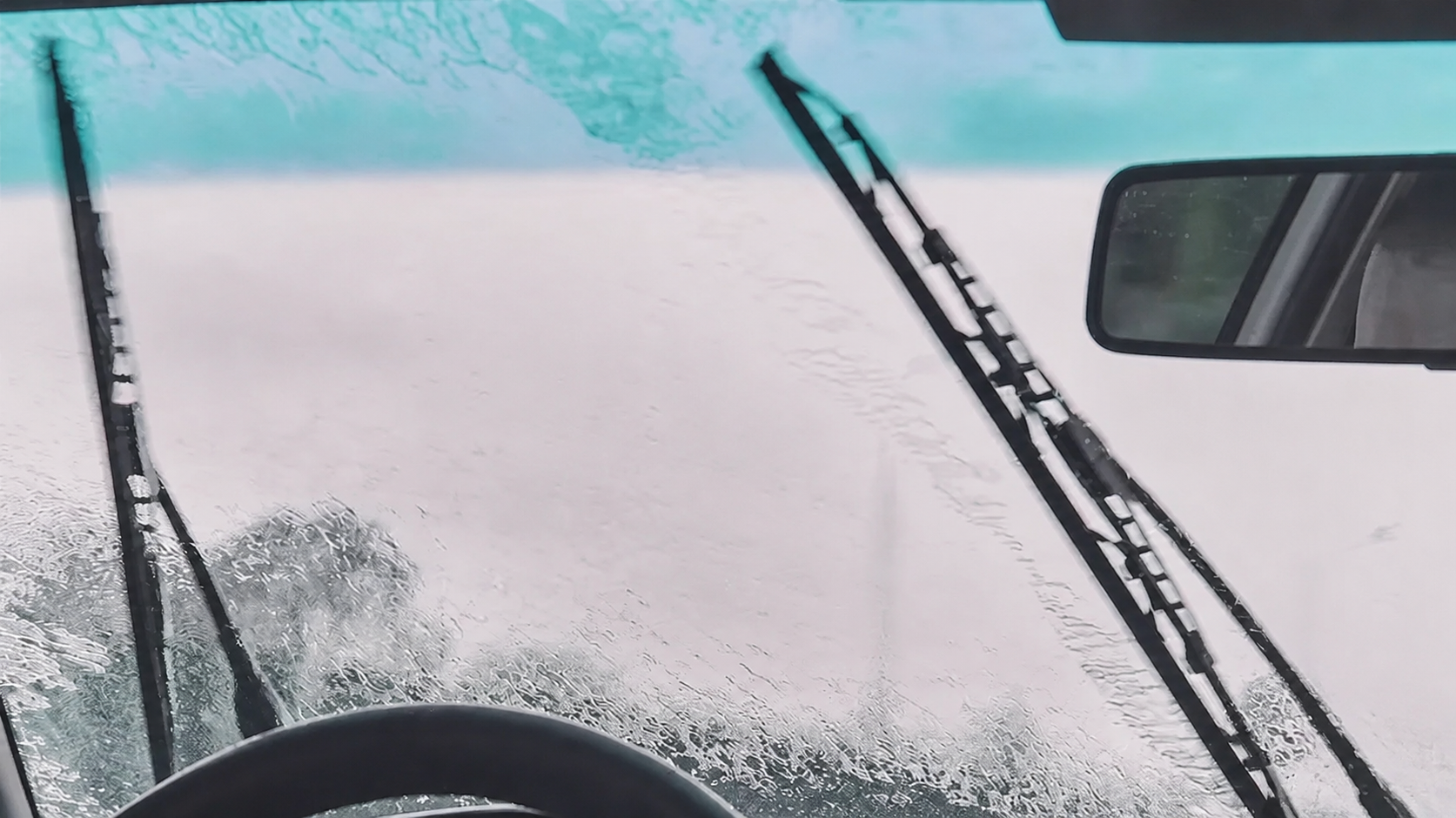
1. Real-World Replacement Cycle
Generally, wipers should be replaced every 1–2 years. If you only replace the rubber strips, they may need replacement every six months to a year.
Many owner’s manuals also require periodic inspection of wiper blades. For example, the Buick Excelle GT manual specifies inspection every 6 months or 10,000 km; the Volkswagen Sagitar manual specifies every year or 15,000 km.

These intervals roughly match the replacement cycle.
2. Why Real-World Life Falls Short of the Standard
Wipers often have their service life shortened for these reasons.
First, dry wiping. Dry wiping causes significant wear to the rubber strip.
In dry conditions, the maximum friction during wiper operation approaches 20 N; in rainy conditions, it is less than 14 N. If the car is often in a dusty environment, dry wiping is like grinding the rubber strip on coarse sandpaper, causing even more wear.
Second, prolonged sun exposure. It causes the rubber strip to age, harden, and lose performance.
Sunlight greatly accelerates wiper blade aging. High temperatures damage the rubber material, and over time can severely degrade it, causing deformation or loss of elasticity. In summer, a car parked in direct sunlight can easily reach high temperatures, so taking sun protection measures is truly necessary.
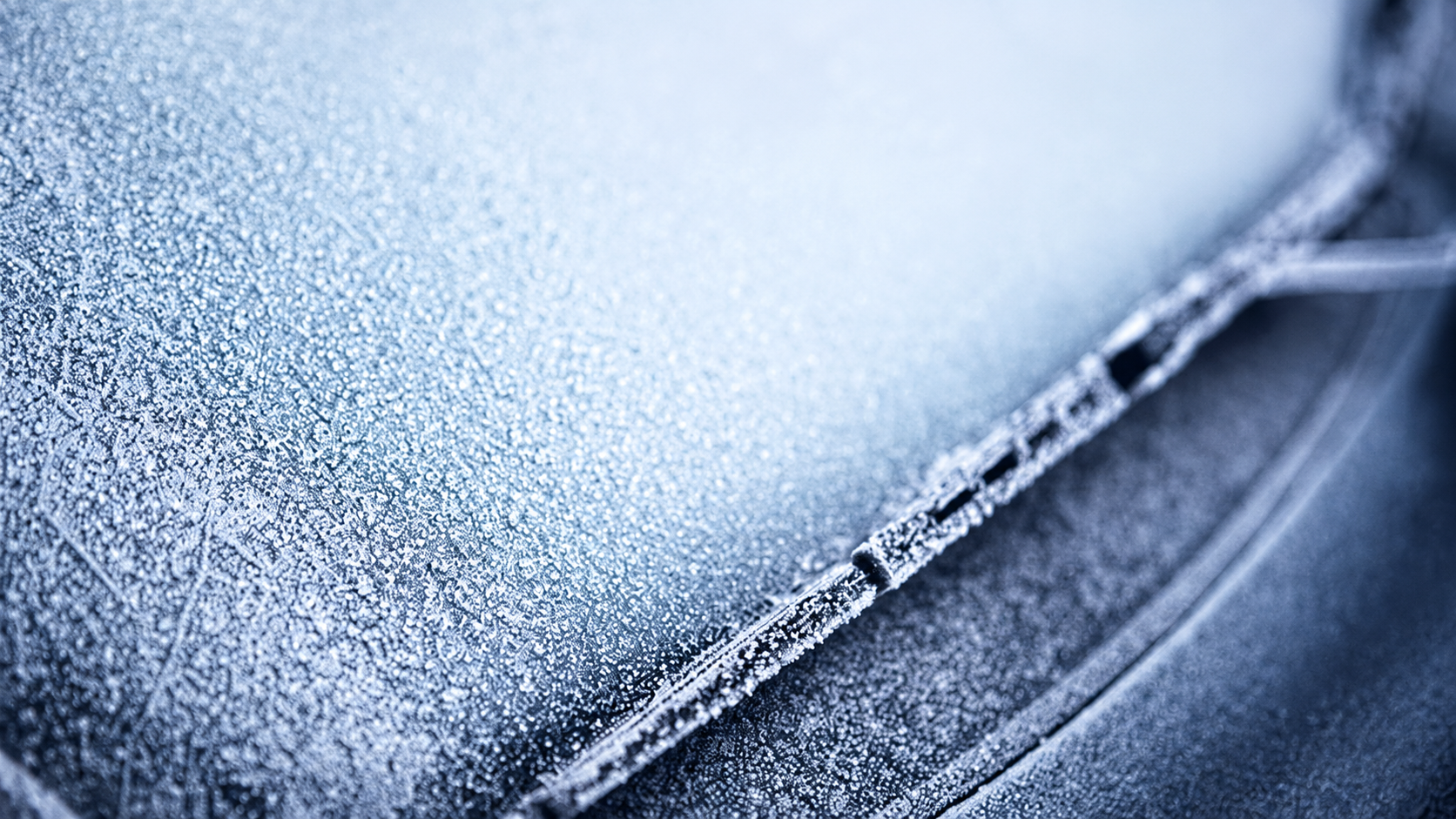
Some improper operations can also damage the wiper arm and wiper motor, so pay attention to these as well. For example, forcibly bending the wiper arm during car washing, or forcing the wipers on in winter when they are frozen to the windshield without thawing, can damage the entire wiper system.
How to Tell If Your Wipers Need Replacing
Of course, although there is a general replacement cycle, whether to replace them depends on how they are working.
1. Check the Wiping Performance
First, check the wiping performance. If it does not clean properly, it definitely needs replacement.
Poor cleaning can have many causes. It is like a phone screen that won’t light up—it could be a dead battery, a broken screen, or a faulty motherboard.
Generally, if long, thin streak marks remain after wiping, it is usually due to worn edges on the rubber strip or foreign matter on the windshield.
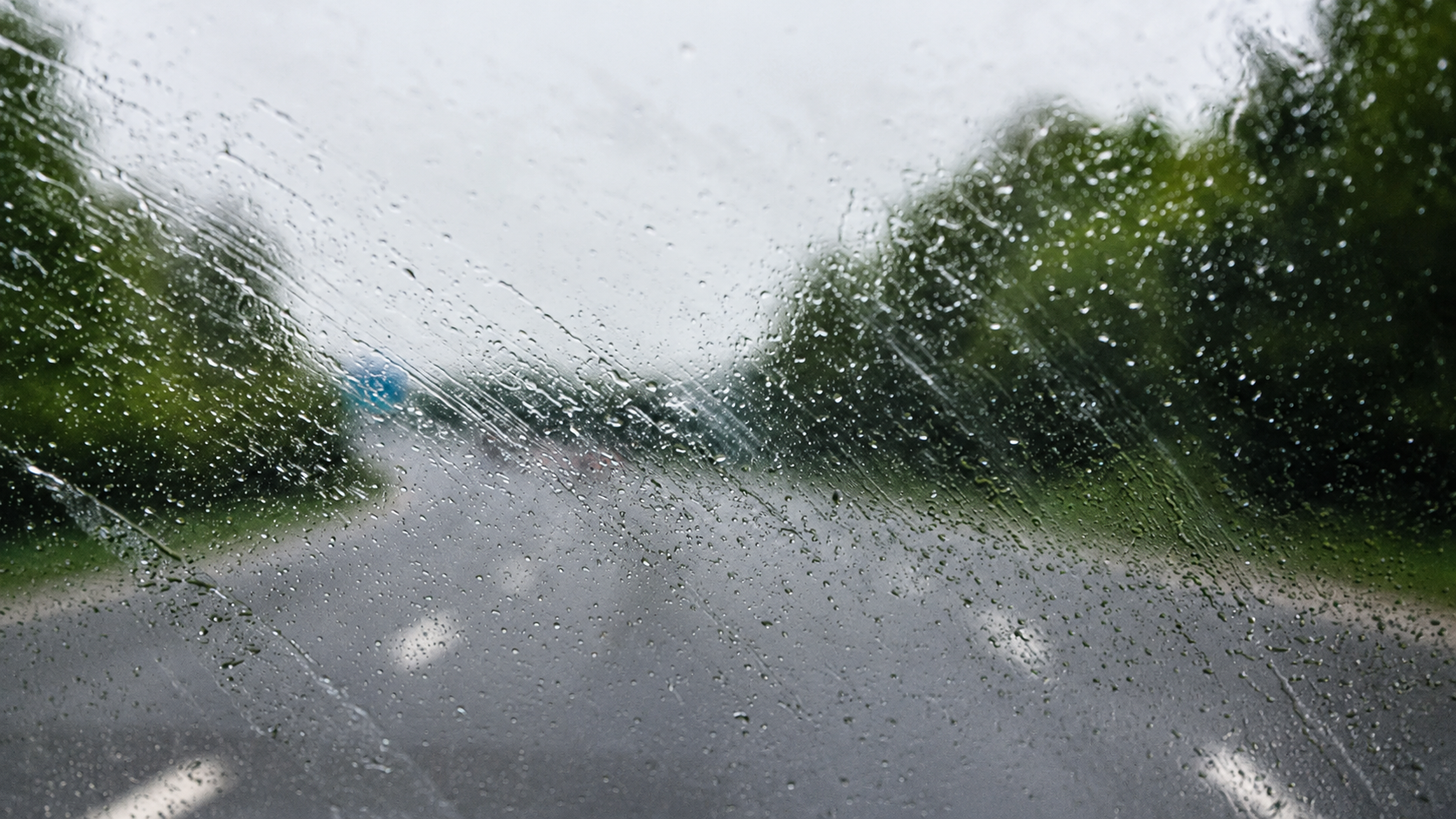
If the wiper skips or judders intermittently with a relatively loud noise, the rubber strip is likely aged and hardened.
If large patchy water streaks remain after wiping, the wiper is probably not pressing tightly against the windshield. A deformed wiper or insufficient pressure from the wiper bracket can both cause this.
There is also a special case: if the windshield has an oil film, it won’t clean properly either, and you can’t blame the wipers entirely.
It is like paint on your clothes that won’t wash out—it is not entirely the detergent’s fault, because detergent itself can’t remove paint. For this kind of oil film, use a dedicated oil-film remover or toothpaste from home to clean it.
2. Check for Abnormal Noise
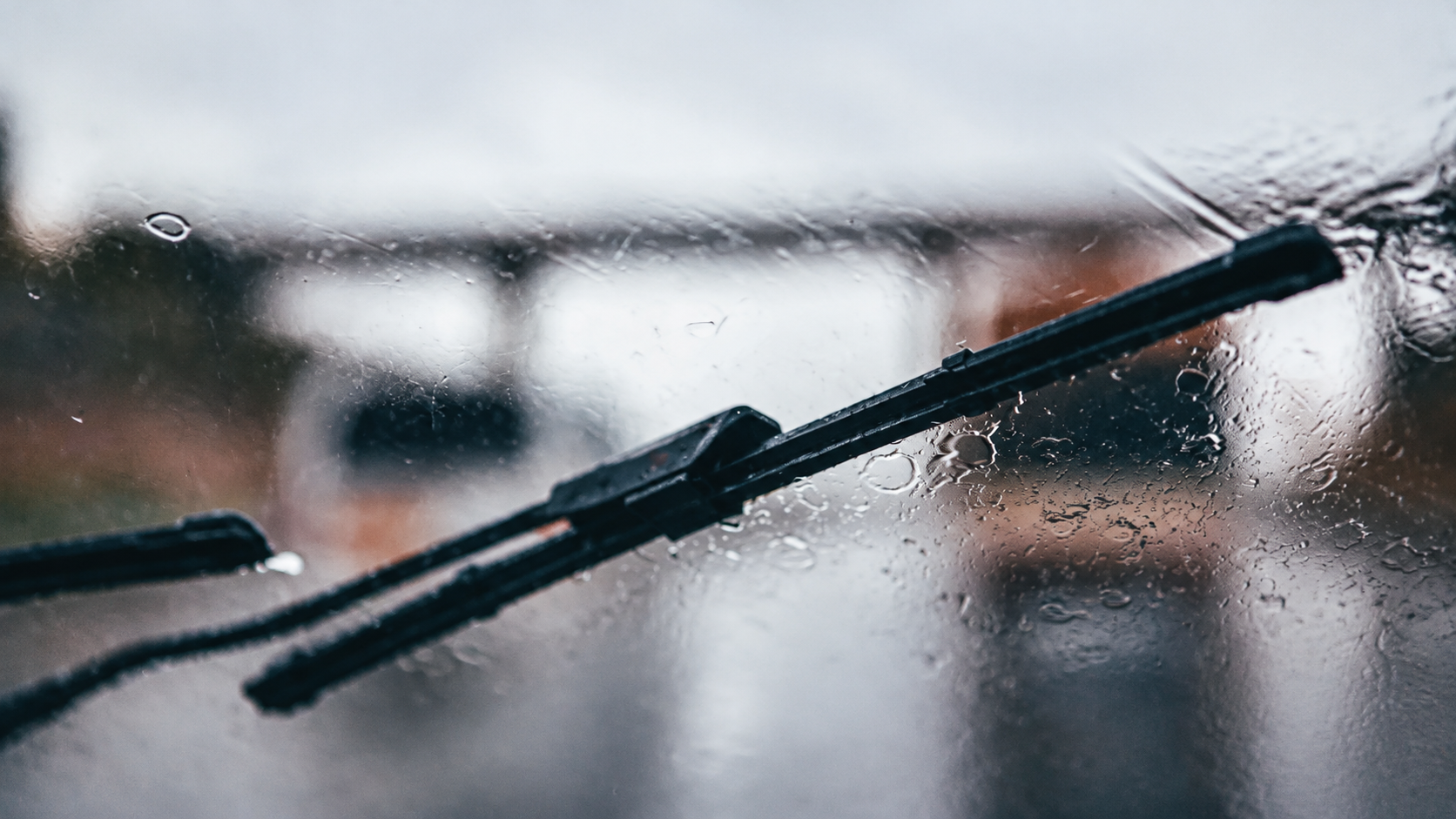
Also check whether the wipers make abnormal noises. If the wiper motor suddenly gets louder, it may be a sign of fault or aging.
From the perspective of noise and vibration testing, wiper faults can be classified into four types: excessive rotor vibration, excessive electromagnetic vibration, abnormal noise from rolling bearings, and abnormal noise from the worm gear and worm wheel.
In addition to the wiper motor, hardened rubber strips, an aged wiper arm bracket, or loose screws can also cause abnormal wiper noise.
Therefore, if the wipers become louder than before during operation, it is necessary to check these parts. Replace the wipers if needed and repair the motor if needed—this can also reduce safety hazards.
Final Thoughts
In summary, the wiper replacement cycle is roughly 1–2 years, but whether replacement is actually needed depends more on how the wipers are working.
If the wipers really do not clean well or make significant abnormal noise during operation, it is best to replace them for driving safety.
Post time:Sep-25-2020
