
Did you know?For every liter of gasoline your car burns, that gasoline must first pass through a "small canister" for filtration. It isn't big, but it bears the heavy responsibility of protecting the fuel injectors, fuel pressure regulator, and fuel pump.
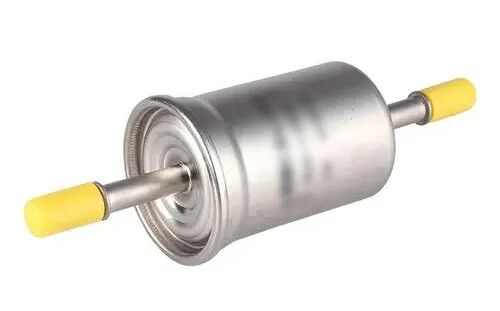
It is the Fuel Filter—the most low-profile and easily overlooked "guardian" inthe fuel system.
1.What Does a Fuel Filter Do?
Simply put: It conducts a "security check" for gasoline.
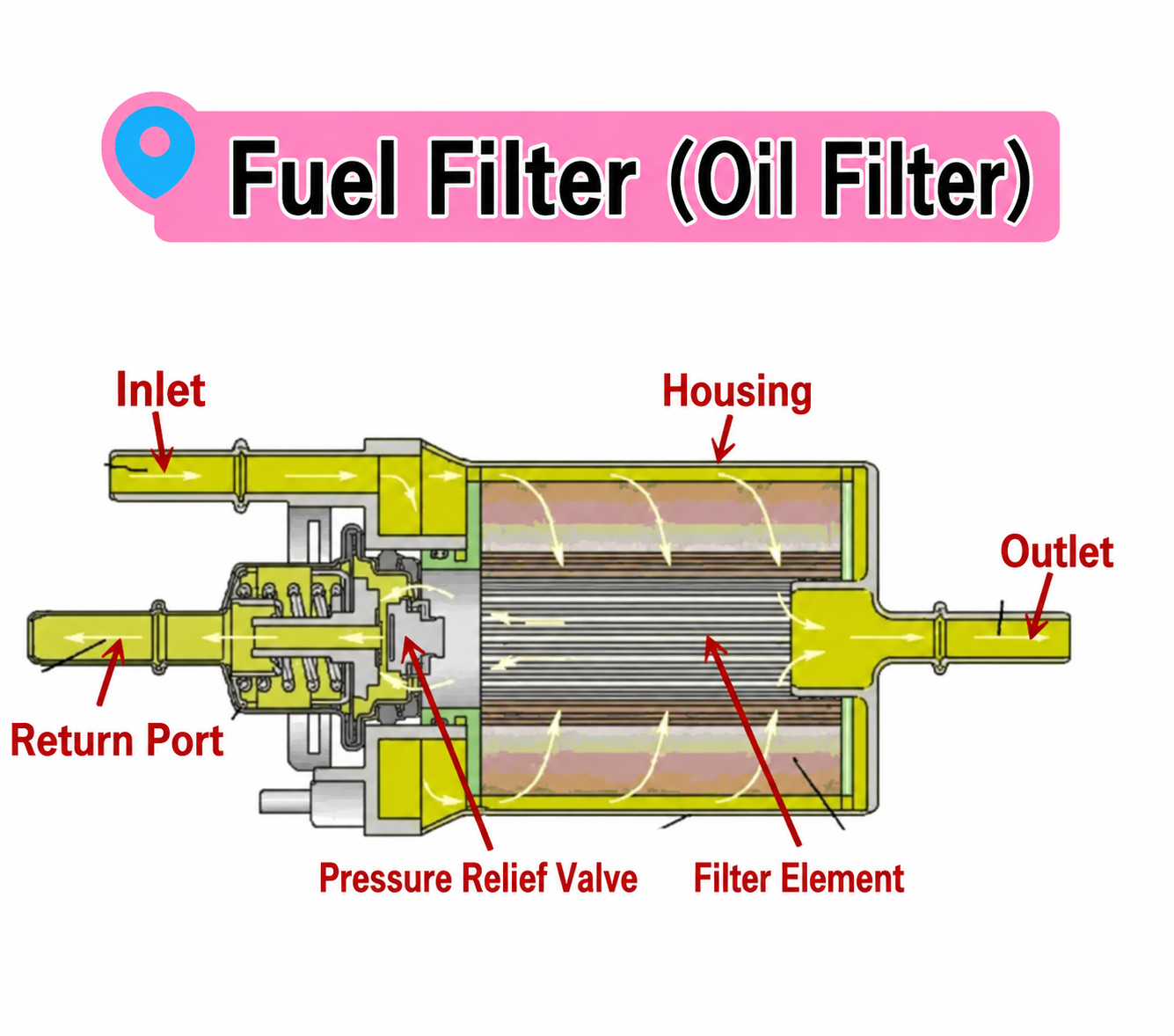
When gasoline leaves the fuel tank, it enters the fuel filter through the inlet. The filter traps impurities such as rust, dust, gum, and water, allowing only clean gasoline to flow toward the fuel injectors and engine.
If the filter fails, these impurities drive straight in—fuel injectors get clogged, the fuel pressure regulator gets stuck, and the fuel pump suffers wear... ultimately, it is your wallet that suffers.
2.Recommended Replacement Interval: 20,000 to 40,000 Kilometers
The fuel filter should be replaced once every 20,000 to 40,000 kilometers (depending on the driving environment and fuel quality).
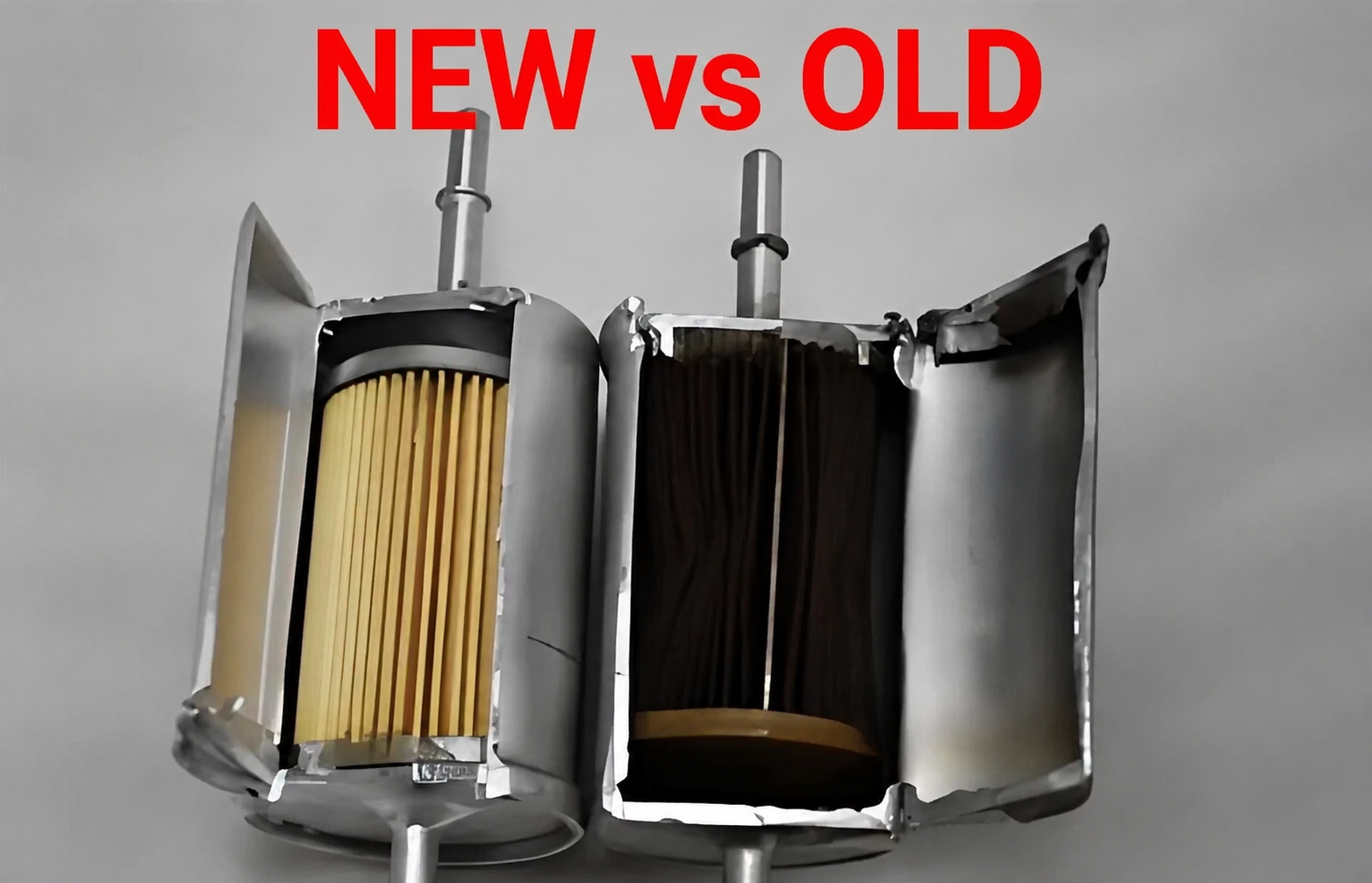
Why so frequently? Because fuel quality varies. Even at legitimate gas stations, it is difficult to guarantee zero impurities. Replacing the filter regularly eliminates invisible risks in advance.
3.What Happens If Left Unchanged for a Long Time?
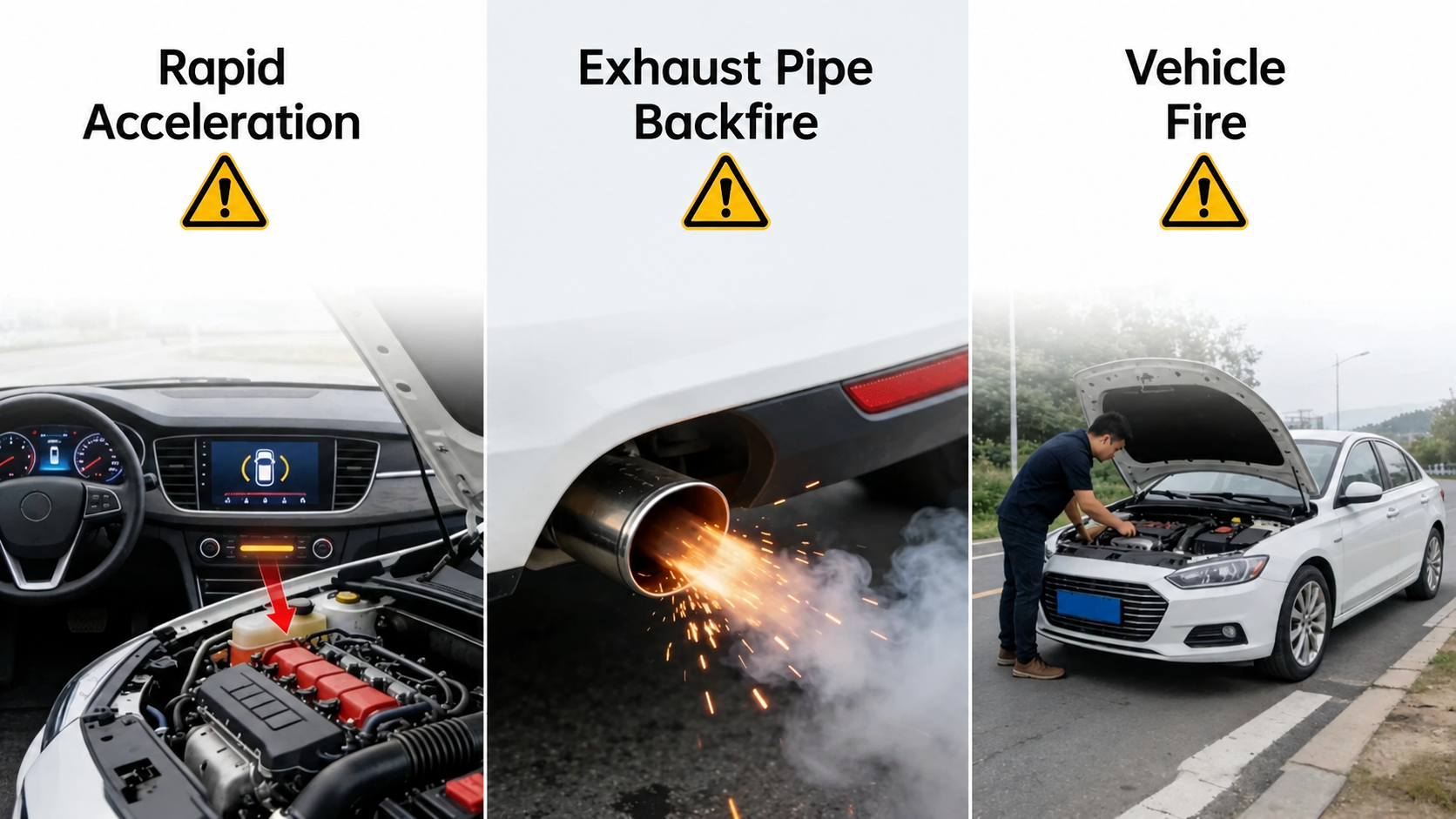
1.Poor Acceleration and Reduced Power
A clogged filter leads to restricted fuel supply. The engine is "starved," and pressing hard on the accelerator yields no power movement.
2.Overly Rich Air-Fuel Mixture and Exhaust Backfiring (Ford Focus owners pay special attention)
If impurities get stuck in the fuel pressure regulator, it causes abnormal fuel pressure and an overly rich air-fuel mixture. Unburned gasoline enters the exhaust pipe and ignites with a loud "pop" upon encountering high temperatures—frightening the driver and damaging the catalytic converter.
3.Fuel Pump Burnout and Engine Stalling
When the filter is completely blocked, the fuel pump works at full capacity without being able to pump fuel, causing the motor to overheat and burn out. Once the fuel pump fails, the vehicle stalls immediately; towing plus fuel pump replacement costs dozens of times more than a simple filter replacement.
4.Clogged Fuel Injectors and Engine Shaking
Impurities block the injector micro-holes, resulting in poor fuel atomization, engine shaking, unstable idling, and soaring fuel consumption.
4.Drivers Using "Budget / Non-Standard Fuel" Need to Be Extra Careful
Many car owners like to fill up with cheap, non-standard fuel. The advantage is the low price, but the quality is hard to guarantee.
Inferior gasoline often contains higher amounts of:
- Gum and asphaltenes
- Water and mechanical impurities
- Excessive sulfur content
These "bad elements" cause the fuel filter to clog prematurely and directly damage the oxygen sensor and catalytic converter. A broken oxygen sensor causes fuel consumption to skyrocket; a clogged catalytic converter fails emissions inspections, costing thousands to replace.
In short: The money saved on cheap gas might ultimately be handed over to therepair shop.
5.Why Use OEM Fuel Filters?
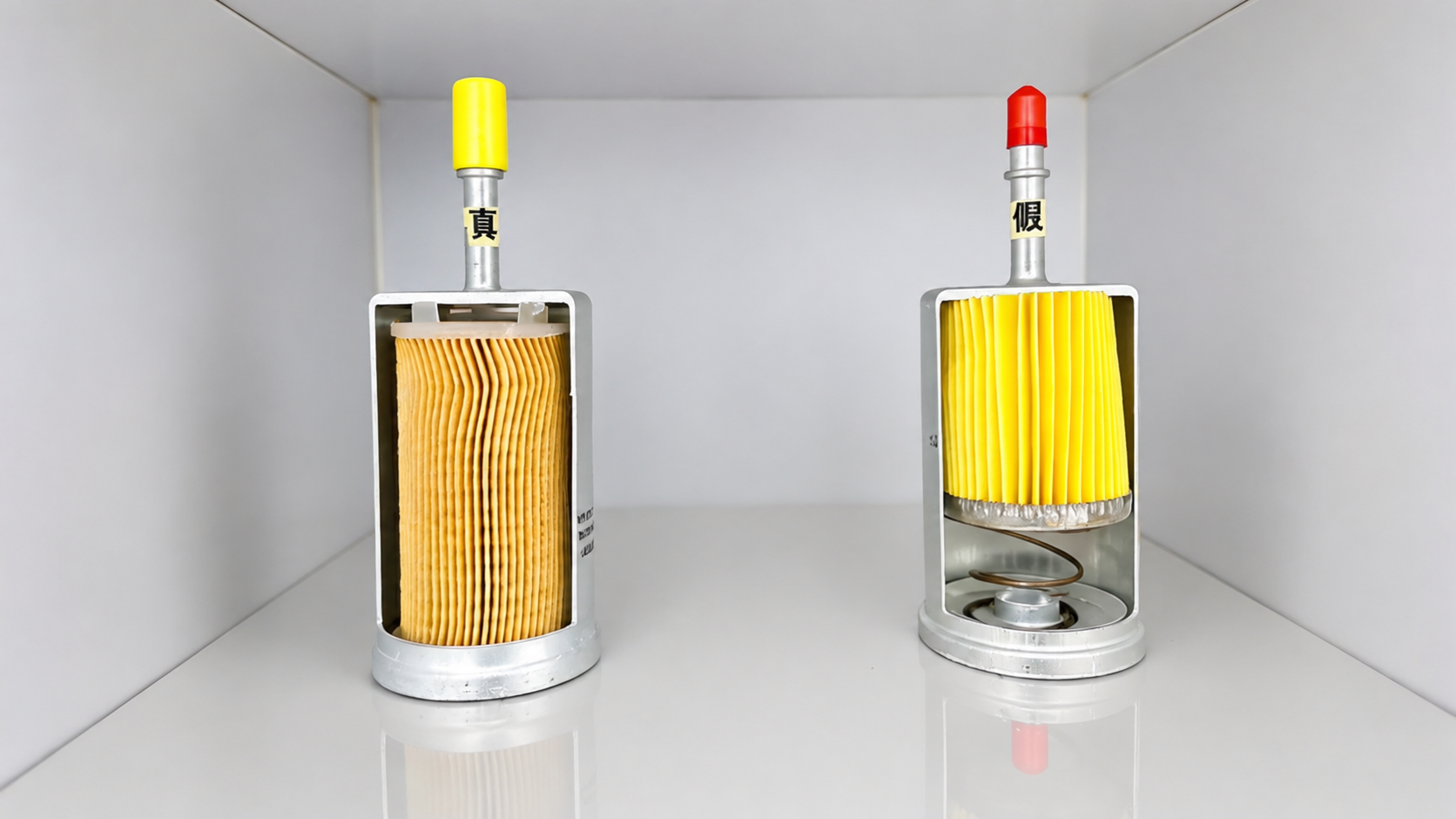
There are many cheap aftermarket or even counterfeit filters on the market. They may feature:
- Insufficient filter paper precision: Impurities pass directly through the filter.
- Small filter paper surface area: Clogs prematurely.
- Deteriorated seals: Poses fuel leak risks.
-
Inaccurate bypass valve pressure: Fails to open when needed, or opens
incorrectly when it shouldn't.
OEM filters are specifically engineered for the engine. Their filtration efficiency, dust capacity, and pressure resistance undergo strict testing to ensure stable and reliable protection for the fuel system throughout the designated service cycle.
Friendly Tip: The fuel filter directly impacts fuel supply safety—never buy cheap counterfeits.
6.How Do I Know It's Time to Change It?
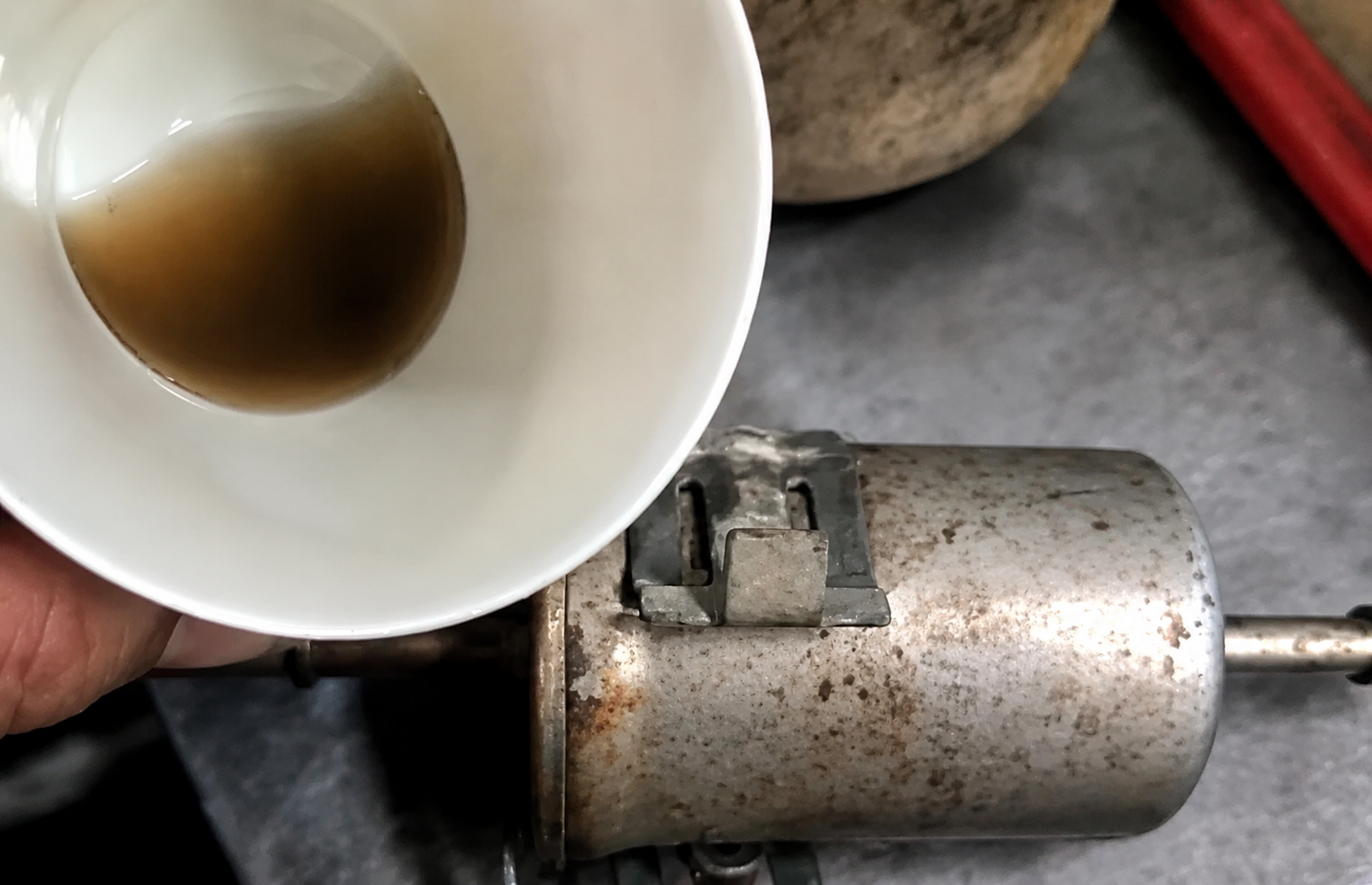
The fuel filter is hidden underneath the car body or near the fuel tank, so owners cannot inspect it themselves. Unseen and untouched, it can only be evaluated by professional technicians after removal. Therefore, it is recommended to have a technician check the condition of the fuel filter during every routine maintenance service.
If you observe:
- The filter is noticeably heavier (saturated with impurities)
- Drained gasoline is cloudy with visible impurities
- The vehicle has exceeded 40,000 kilometers without a replacement
Replace it decisively—do not hesitate.
7.Final Words
The fuel filter is inexpensive, but its function is surprisingly crucial. It quietly guards the front line, blocking "bad elements" that could ruin your engine. Treat it well, and it will keep your car accompanying you for years to come.
Friendly Tip: At your next maintenance service, don't forget to ask the mechanic: "Is it time to change the fuel filter?"
Post time:Sep-25-2020
