
Most people are likely no stranger to oil filters. As the name suggests, the main responsibility of this component is to filter engine oil, improving engine lubrication performance and efficiency. As a part that gets replaced during every routine maintenance service, do you really understand the "little secrets" inside an oil filter?
Spin-on Oil Filters Contain Multiple Components
When we open the metal housing of a spin-on oil filter, the filter can be disassembled into several parts, mainly including the sealing ring, lower end cap, anti-drainback valve, filter media, compression spring, bypass valve, and metal housing. Each of these components plays a specific role and must possess reliable performance to accomplish its assigned task.
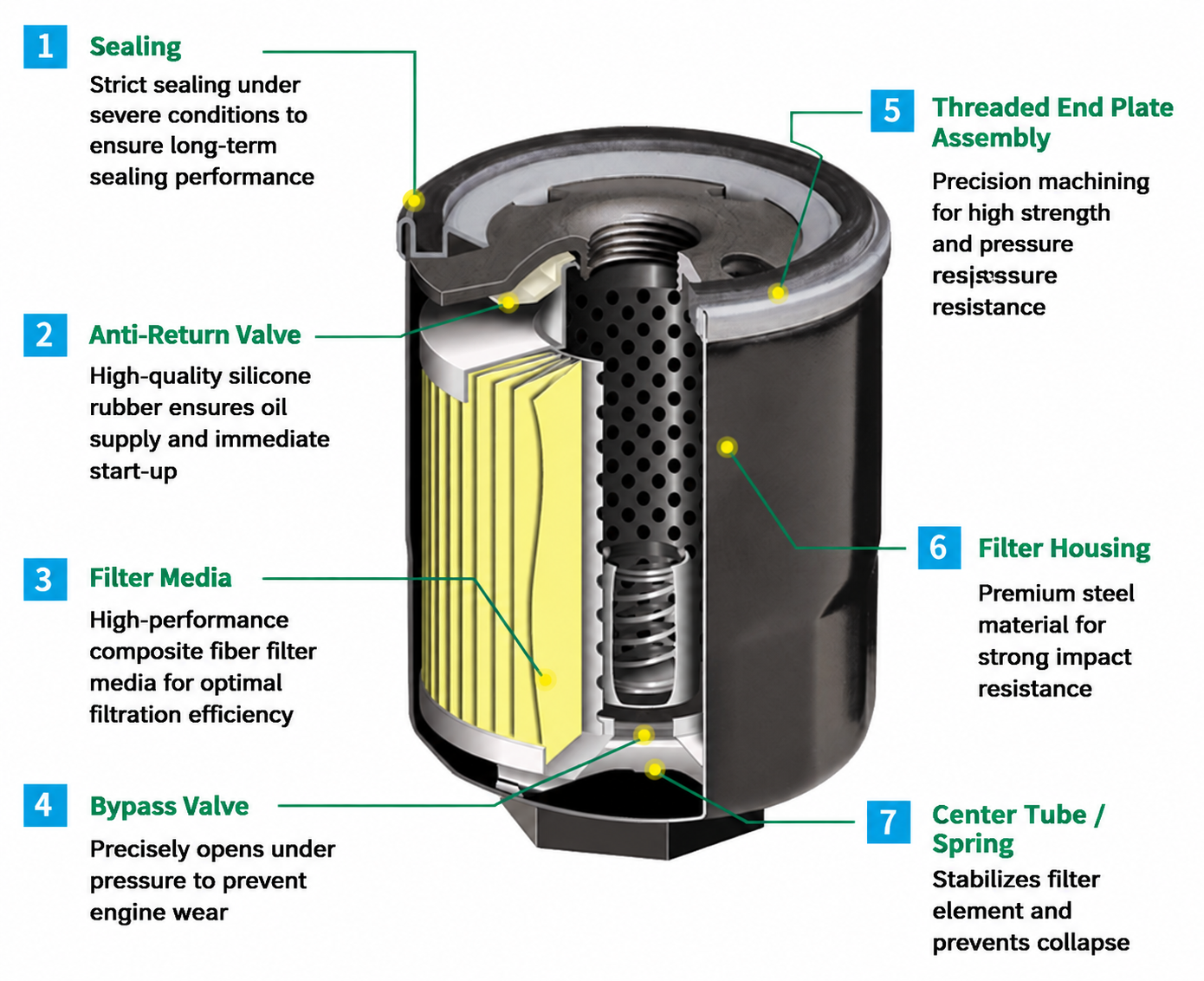
Valves Managing Oil Flow
In an engine lubrication system, oil in the oil pan must pass through the oil filter first before traveling to various engine components. To ensure lubricated parts receive oil in a timely manner, two valves are installed inside the spin-on oil filter to guarantee oil supply.
Anti-Drainback Valve
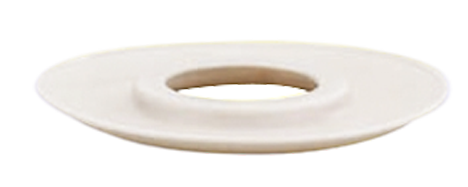
Oil flows under the drive of the oil pump. However, once the engine turns off and the oil pump stops running, oil drains back into the oil pan under the force of gravity. The next time the engine is started, it takes time for the oil pump to supply oil to all parts of the engine. During this period, mechanical components experience severe friction due to a lack of lubrication.
To prevent all oil from draining back, a silicone diaphragm—the anti-drainback valve—is installed in the spin-on oil filter. This component acts as a reverse check valve, retaining a portion of the oil inside the filter. When the engine is started again, the oil inside the filter reaches moving parts faster, shortening oil delivery time and reducing wear.
Bypass Valve
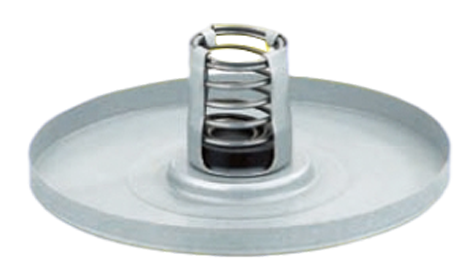
Filter media has a limit to its dirt-holding capacity. Failing to replace the oil filter for a long time, or large-scale shedding of deposits in oil passages, will cause large amounts of impurities to accumulate inside the oil filter. This leads to reduced oil throughput, preventing engine parts from receiving an adequate oil supply and causing severe wear. In addition, when cold starting a vehicle in low winter temperatures, the high viscosity of the oil also causes the oil throughput of the filter to drop.
Therefore, a bypass valve is positioned at the top of the filter media in a spin-on filter. Under normal pressure, this valve remains closed under spring force. When the filter media becomes clogged and oil cannot pass through smoothly, internal pressure inside the filter rises. When the pressure exceeds the spring force of the bypass valve, the valve opens, allowing oil to pass
through and flow to various engine parts.
Other Components Are Equally Important
Components such as the filter media, sealing ring, compression spring, and metal housing of the spin-on oil filter also play key roles in the performance and lifespan of the oil filter.
Sealing Ring
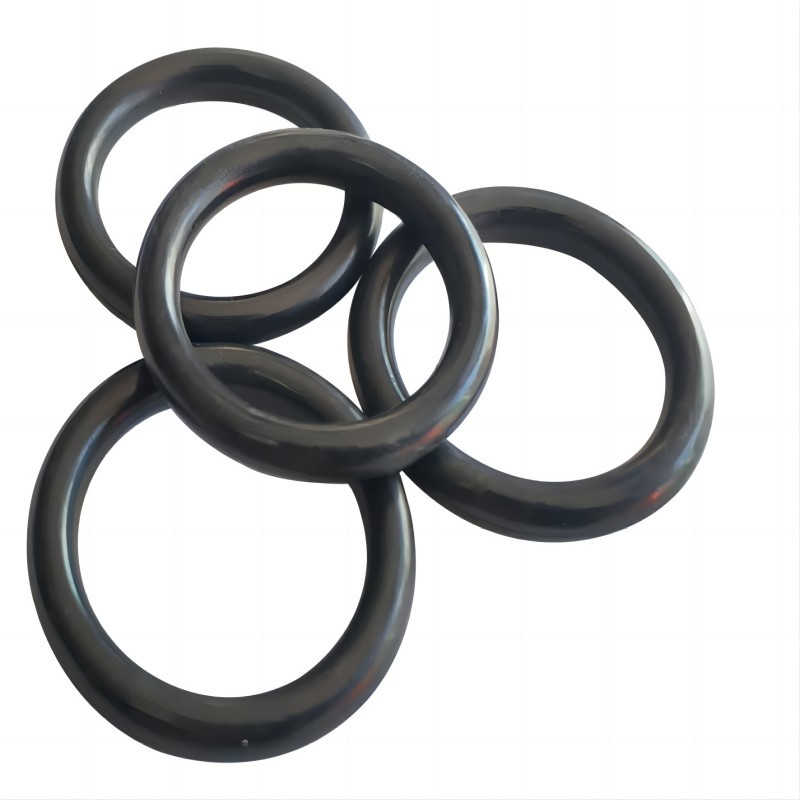
The sealing ring must provide reliable sealing in an environment with frequent high and low temperature cycling. In addition, it must have a sufficiently long service life and ensure that the oil filter does not loosen after installation.
Filter Media
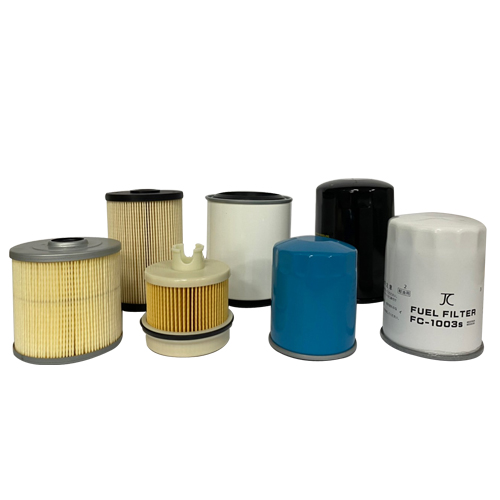
The filter media must not only have good filtration performance, but also a high dirt-holding capacity to extend the service life of the oil filter. During production, the geometric dimensions of every pleat are kept consistent to minimize oil pressure differential.
Compression Spring
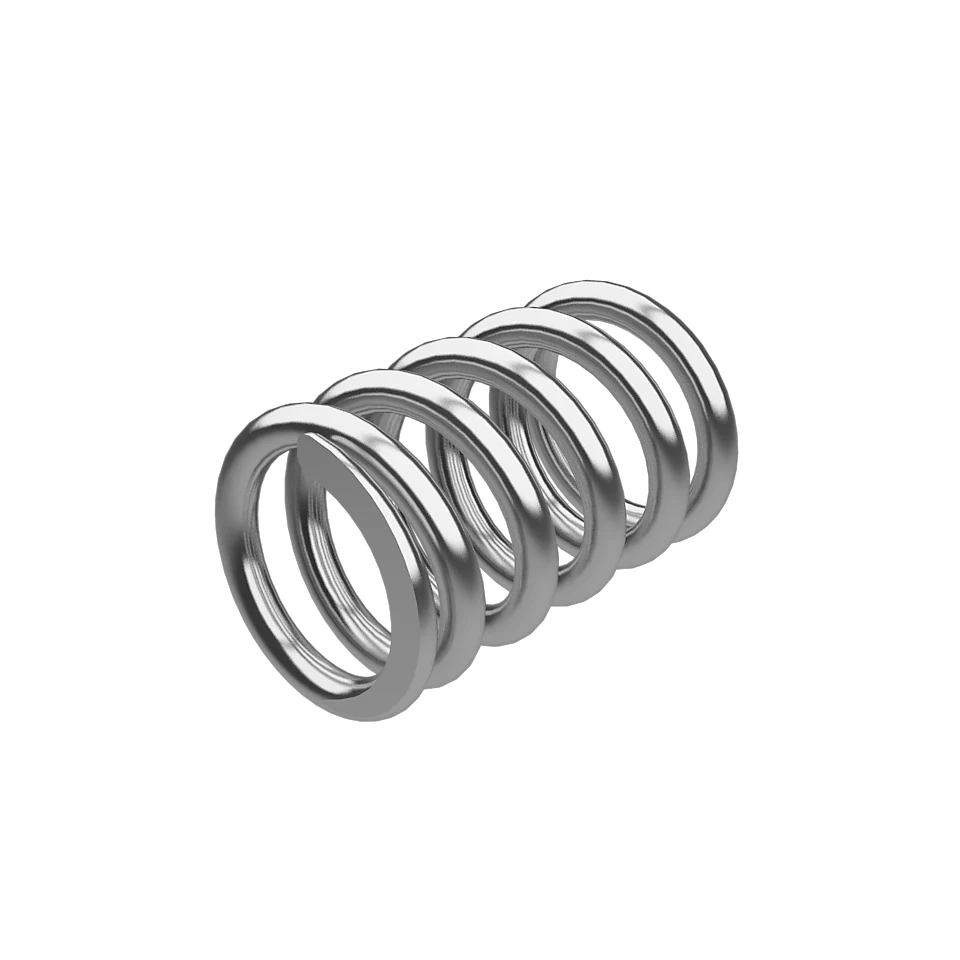
The compression spring ensures that the axial and radial positions of the filter media remain stable, preventing shifting or movement, thereby avoiding leaks at the interface between the filter element and the threaded cover plate.
Metal Housing
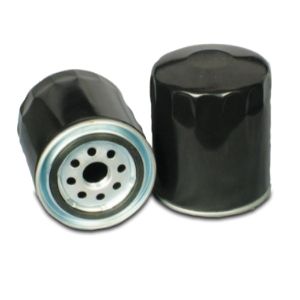
The metal housing possesses sufficient strength to withstand pressure and corrosion. It fits well with installation tools for easy removal and assembly.
Summary
While the external appearance of oil filter products may look largely similar, their internal craftsmanship, materials, and calibration levels can differ significantly. Spin-on oil filters developed and manufactured by high-quality manufacturers not only feature complete internal components, but are also rigorously engineered in terms of bypass valve pressure ratings and spring compression forces. Components such as filter paper, anti-drainback valves, and housings are made from high-quality raw materials to ensure that the oil filter continues to operate in optimal condition throughout its entire lifecycle.
Post time:Sep-25-2020
