
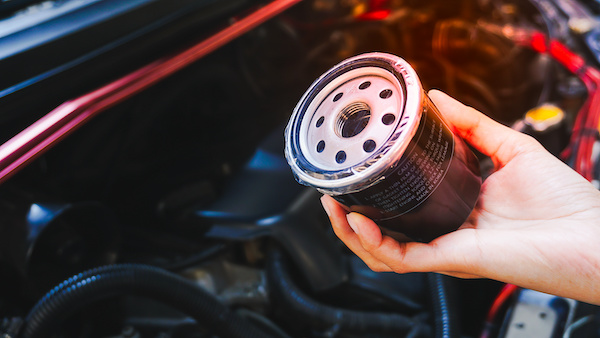
The engine oil filter plays a vital role in the engine's lubrication system. It effectively filters out impurities, metal debris, dust, and other contaminants from the engine oil, ensuring that the oil supplied to the engine remains clean. This protects internal engine components and extends overall engine service life.
If the oil filter fails, it can cause insufficient lubrication and accelerated engine wear at best, or cylinder scoring and catastrophic engine failure at worst!
4 Key Strategies Experienced Drivers Use
Strategy 1: Replace Regularly—Don't Wait for Reminders
Best Practice: The oil filter MUST be changed together with the engine oil!
Under normal driving conditions, follow the replacement intervals recommended in your vehicle's owner manual, which typically align with your engine oil change schedule:
- Mineral Oil: Every 5,000 km or approximately every 6 months.
- Semi-Synthetic Oil: Every 7,500 km or approximately every 9 months.
- Full Synthetic Oil: Every 10,000 km or approximately every 1 year.
Note: In dusty, high-temperature, or frequent short-trip driving environments, shorten the replacement interval appropriately to 3,000–5,000 km (especially in regions prone to spring sandstorms).
Strategy 2: Check Immediately If These Symptoms Appear
-
Watch the Dashboard: If the oil warning light turns on, STOP immediately! This warning indicates low oil pressure. While many factors can cause low oil pressure, many are directly related to the oil filter—such as a clogged filter element preventing proper oil circulation, or a stuck bypass valve causing pressure loss. Once the oil light illuminates, pull over and check
immediately! -
Abnormal Engine Behavior: Noticeable shaking during idling or clicking/clacking noises during
acceleration. This can be caused by increased wear on internal engine components due to excessive impurities in the oil entering the engine. - Sluggish Acceleration & Unexplained Fuel Consumption Surge: When the oil filter is clogged or filtering poorly, the volume of oil entering the engine may decrease, directly impacting power output.

Strategy 3: Seek Professional Inspection When in Doubt
If you have doubts about the condition of your oil filter or cannot accurately judge whether it needs replacement using the symptoms above, bring your vehicle to a professional auto repair shop or dealership for testing. Technicians will inspect the filter element professionally and provide accurate advice based on your vehicle's actual usage and service history.

Strategy 4: Replace Early in These Extreme Situations
-
Dusty Roads or Extreme Environments:
When driving through sandstorms or construction sites, dust particles easily enter the combustion chamber through an aging or damaged air filter. These particles form ash after combustion, or unburned particles bypass piston rings into the crankcase, mixing with engine oil to form sludge that accelerates filter clogging. -
Wading Through Deep Water:
If the wading depth exceeds the installation location of the oil filter (usually at the bottom of the engine), a small amount of water may seep into the oil through the filter's sealing ring. (Note: This is relatively rare; water in engine oil is more commonly caused by internal faults like damaged head gaskets or coolant leaks). -
Engine Overhaul or Break-In Period:
New engines or engines undergoing a break-in period after a major overhaul generate a large amount of metal shavings, requiring an early filter replacement.

Summary: The Most Reliable Approach
- MUST DO: Always replace the oil filter simultaneously whenever changing engine oil.
- STAY ALERT: Inspect immediately if abnormal engine noises or dashboard warning lights appear.
- AVOID: Don't believe "lifetime filter" myths—filters are consumable items!
Important Reminder: Regular inspection and timely replacement of the engine oil filter are essential measures to ensure proper engine operation and extend engine service life. Car owners are strongly urged to prioritize this maintenance step!
Post time:Sep-25-2020
