
How often should spark plugs be replaced, and what should you pay attention to when replacing them?
This is another old question, but this time let’s cover something different—the details that people often overlook.
01 Whether to Replace Them Depends on Ignition Performance
Whether spark plugs need to be replaced, put simply, depends on whether their ignition performance is still good.
After long use, the center electrode and ground electrode of a spark plug will gradually be eroded, the edges become blunt, and the gap increases, so the ignition flame kernel becomes smaller.

However, checking the gap alone is not always accurate. Some spark plugs show little wear, but their ignition position may shift, and in that case they also need to be replaced.
The most accurate method is to remove the old spark plugs and perform an ignition test. Many auto repair shops have testers.
Some manufacturers provide mileage references. For example, NGK says: nickel alloy spark plugs last about 20,000–30,000 km, single platinum and single iridium spark plugs about 40,000–60,000 km, and double platinum and iridium-platinum spark plugs 60,000–80,000 km.
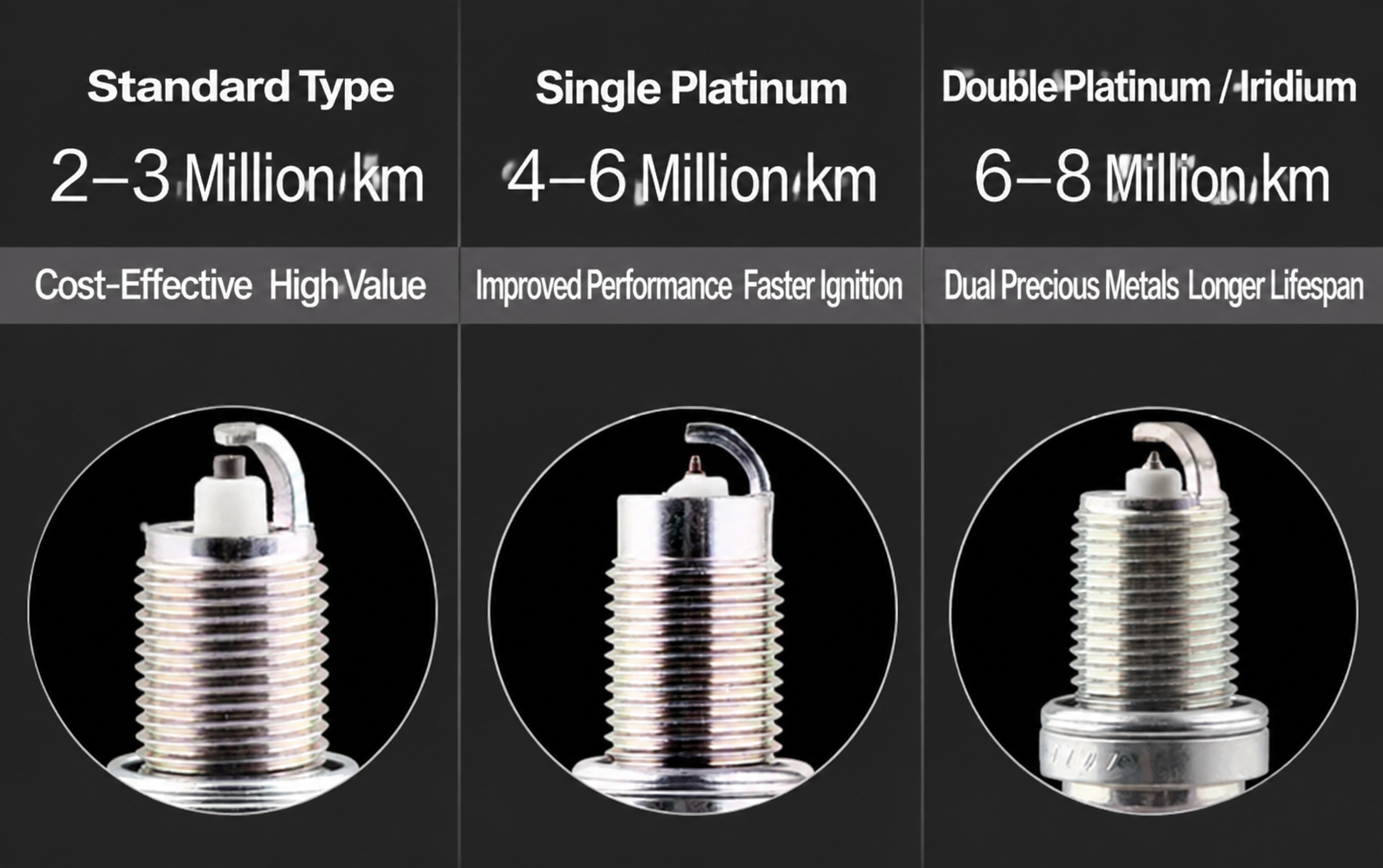
However, if your vehicle has multi-strike ignition technology—meaning it fires multiple times within one power stroke compared with other vehicles—such models need earlier replacement. You can directly refer to the manufacturer’s maintenance manual.
Delaying by a few thousand kilometers beyond the manufacturer’s requirement won’t make the car explode, and the problem won’t be major, but do not delay too long.
Also, spark plugs can develop carbon fouling. If carbon buildup is severe, erosion or manganese poisoning may occur, and these conditions can also cause poor spark plug ignition and require replacement.
Manganese poisoning means using gasoline containing MMT as an anti-knock agent, or low-quality fuel additives, causing red deposits on the spark plug.
Whenever you notice conditions such as increased engine vibration, higher fuel consumption, or unstable idle, you can remove the spark plugs and inspect them to see whether these problems exist.
02 Choose Specifications Based on the VIN
Because different engines differ considerably in their spark plugs.
According to NGK:
Different spark plug models differ in thread engagement length, thread diameter, insulator skirt projection, and whether the spark plug uses a gasket or conical seat sealing structure. There are differences and specific requirements.

Even different model years of the same vehicle model may use different spark plugs.
For example, for the same BMW 3 Series, the version with the B48 engine and the version with the B48TU engine use original spark plugs with different thread lengths, gasket materials, and tip lengths.
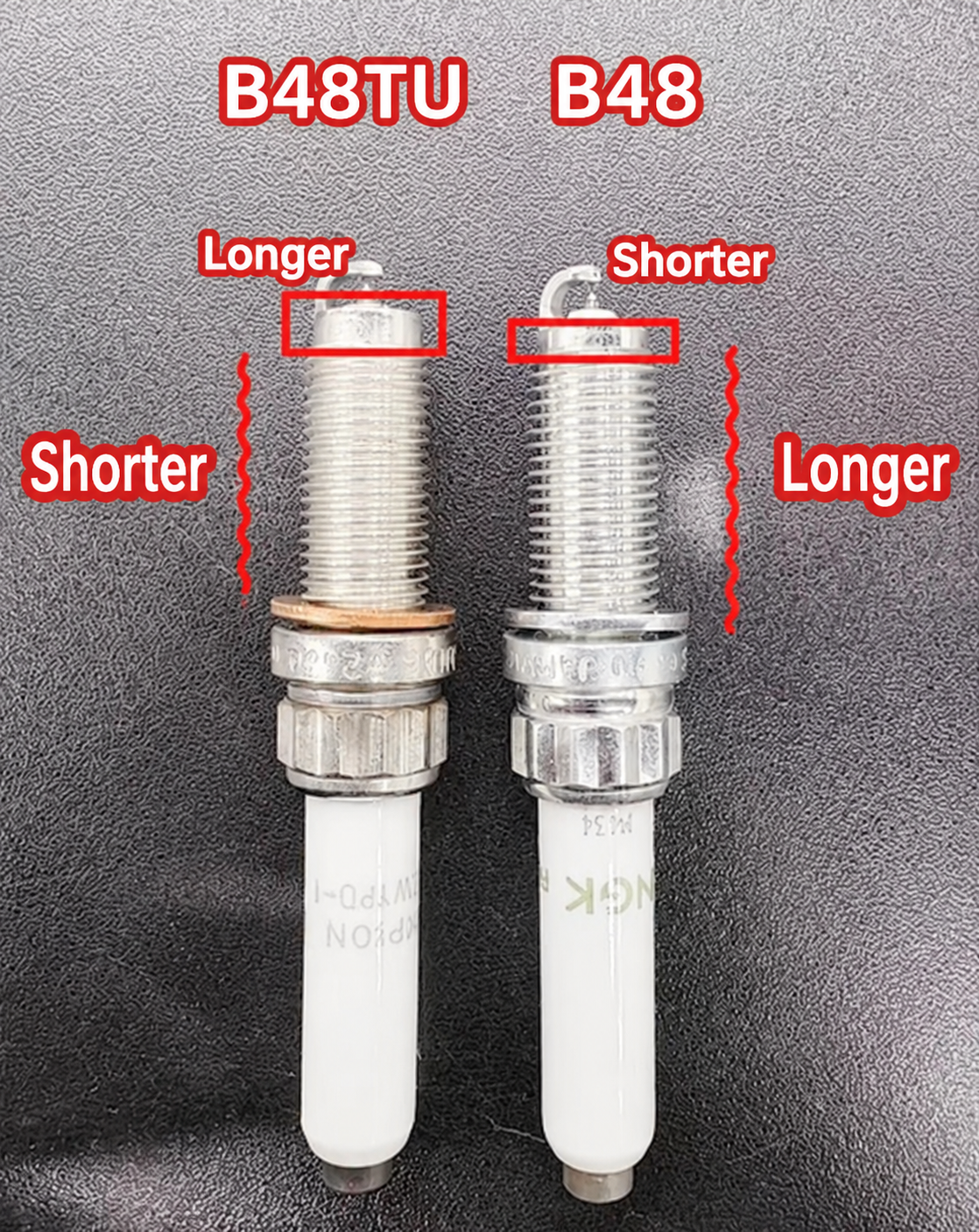
When replacing spark plugs, it is most accurate to choose them based on the VIN.
03 Heat Range Ratings Differ by Brand
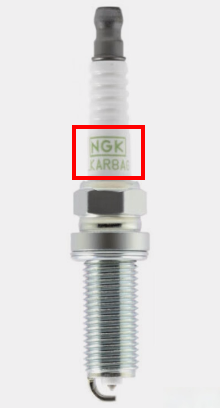
If you buy spark plugs online yourself, you also need to check something called the “heat range”—the number on the ceramic insulator of the spark plug. The heat range represents the spark plug’s heat dissipation capability and determines the spark plug’s operating temperature range.
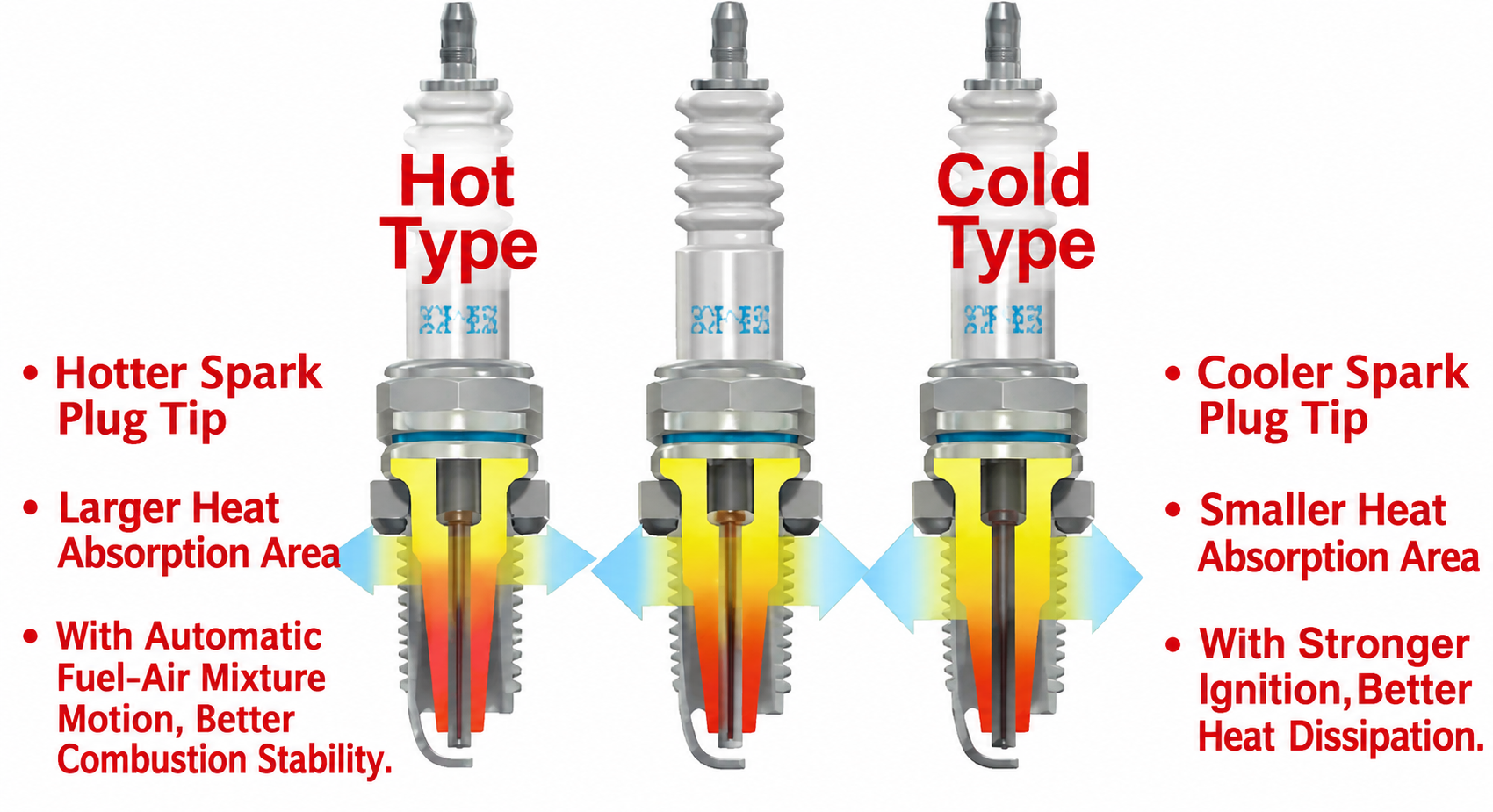
A spark plug with good heat dissipation is called a cold spark plug and is suitable for high-compression engines. One with poorer heat dissipation is the opposite—called a hot spark plug—and is suitable for low-compression engines.
Different brands rate heat range differently.
For example, with NGK, the larger the number, the better the heat dissipation, but Bosch is exactly the opposite. Be sure to check clearly when buying.
04 Do Not Over-Tighten During Installation
Generally speaking, when replacing spark plugs, you need to tighten them to the specified torque. But if you don’t have a torque wrench, you don’t need to worry too much—spark plugs are not easily damaged by tightening.
Some brands simply say just tighten them and have no torque requirement—very confident.
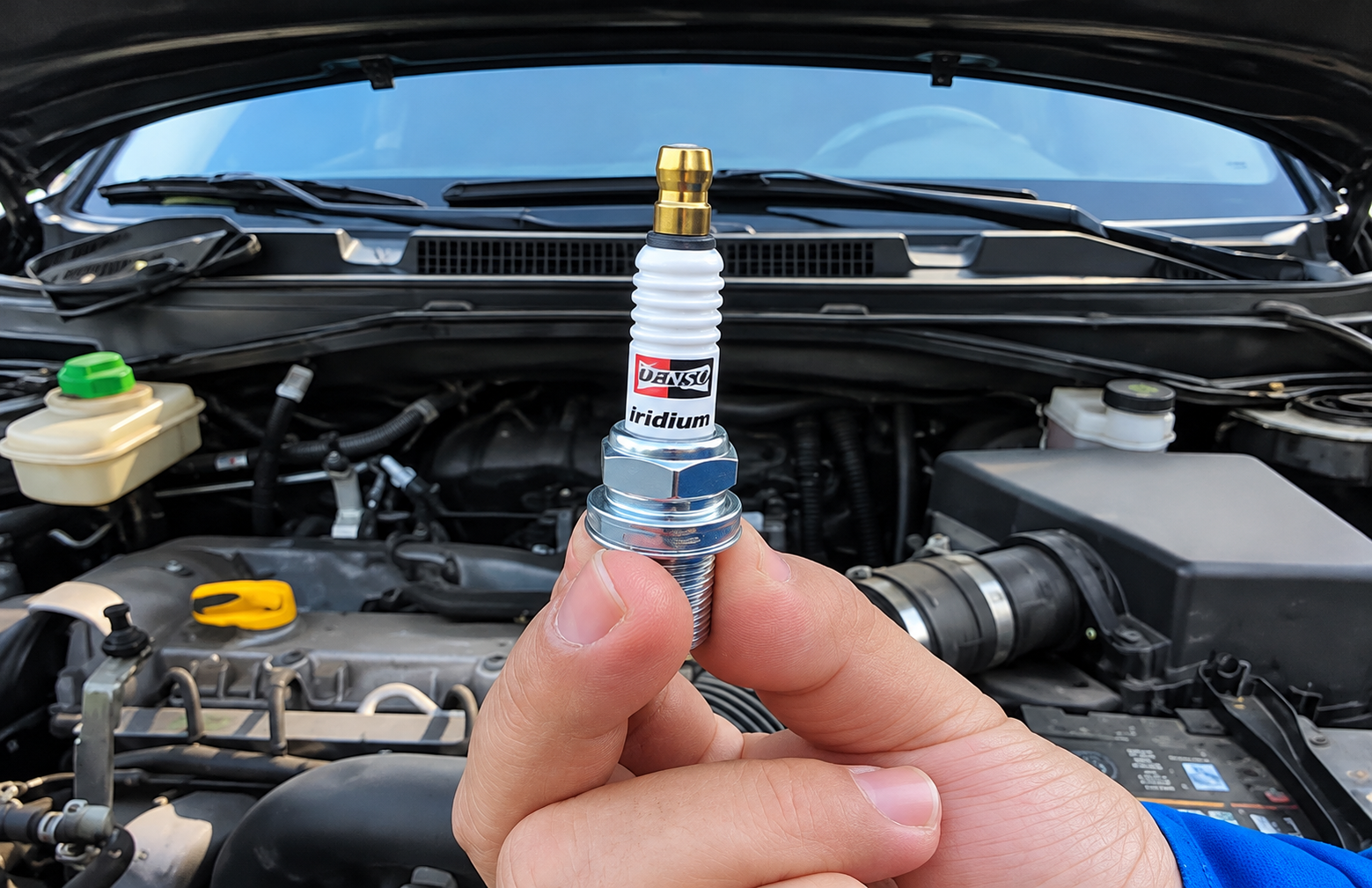
Tightening to the specified torque is mainly to avoid using too much force and crushing the gasket, or inserting too far so the ignition position is wrong, and to prevent them from being impossible to remove next time.
Many cases online involve breaking old spark plugs during removal, which shows they were tightened too much last time.
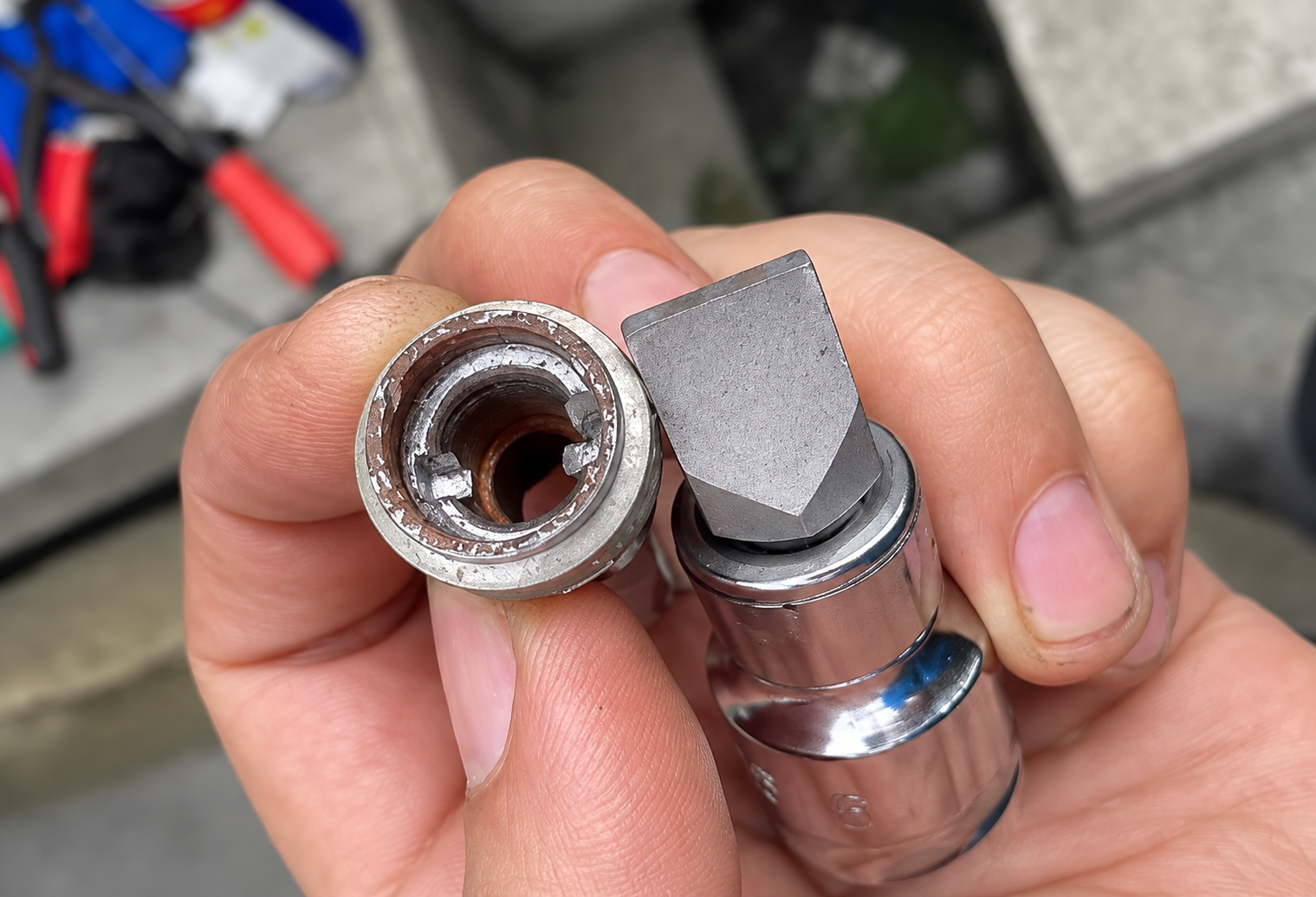
For most spark plugs, the installation torque is around 23 N·m. That is, turn by hand until you feel resistance, then turn about another half turn, and it is roughly enough.
When you have them replaced elsewhere, pay attention to the technician’s technique. As long as they don’t use brute force to create a “miracle,” there is basically no big problem.
It’s just like changing a light bulb—you wouldn’t crush the bulb when changing it, right?
Post time:Sep-25-2020
