
Have you ever wondered, like me: why are car tires always black, no matter the brand or model? Surely changing the color of a tire isn’t high-tech, right? Is it an aesthetic choice, or is there some other reason? Today, let’s talk about it.
01 Tires Weren’t Black at First
Tires weren’t always black. Back in 1868, American Charles Goodyear invented vulcanized rubber. After that, rubber began to be used in tires.

So what color were tires at the very beginning? They were the natural color of rubber: white or pale yellow. Take the 1904 Buick Model B—not the Tesla Model—for example. Its tires were white and had no tread pattern at all.

It was a bit like wooden furniture at home. Even today, wooden furniture basically keeps its original color and grain, at most getting some oil or wax.
02 Why Tires Turned Black
If tires weren’t originally black and looked okay, why did they turn black later? At first, after rubber tires were made, many problems emerged: they aged easily, cracked, wore out quickly, and had a short lifespan.
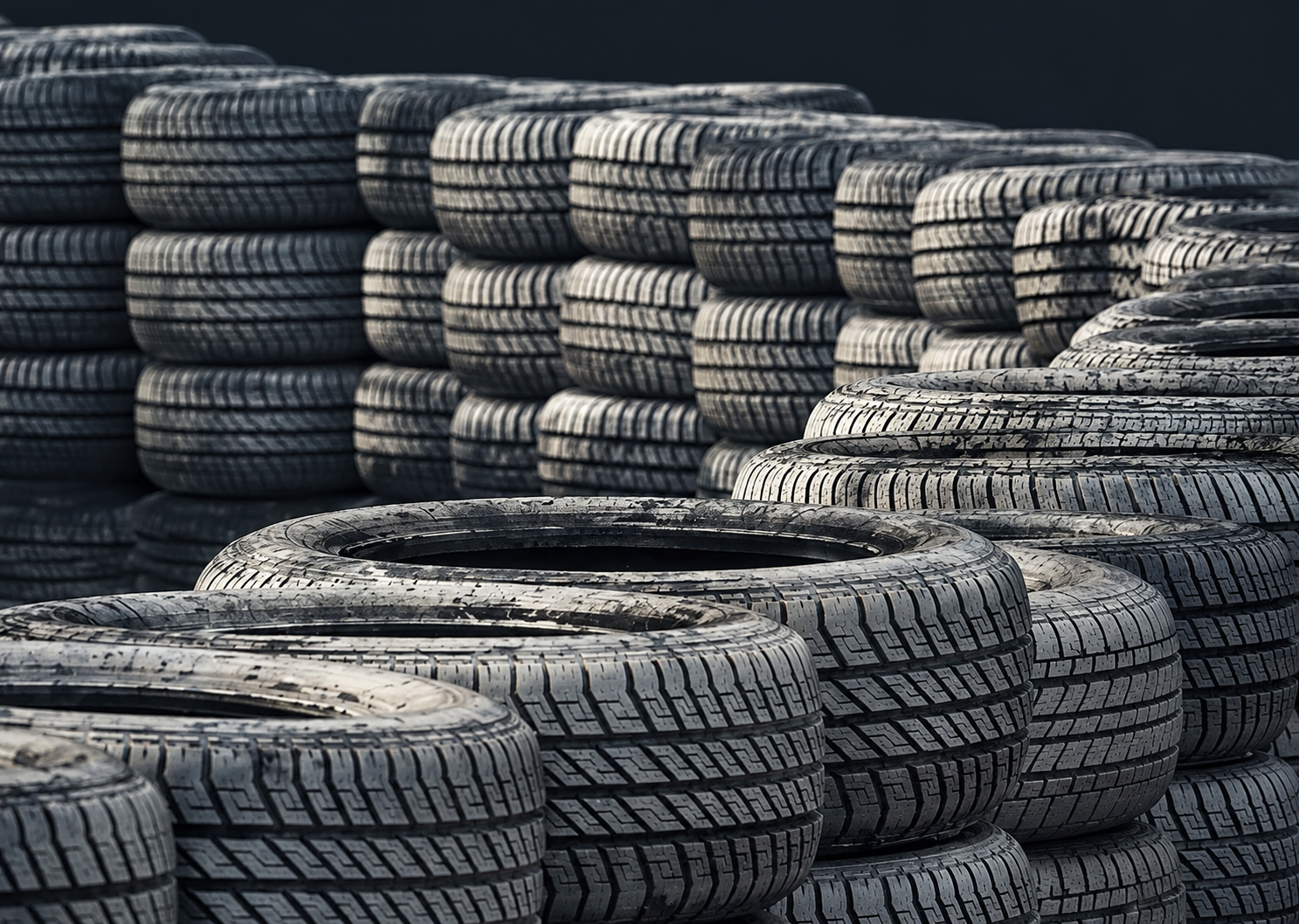
Once problems were found, people naturally tried to solve them. So they began to think: what can we add to rubber to fix these issues? You know how food additives work, right? If the food isn’t aromatic enough, add something. If it lacks flavor, add something. If the shelf life is too short, you can add something too. The additive for tires was carbon black. Its application to rubber was truly a big step forward for the auto industry.

Data shows that when carbon black loading is 50 parts, the tensile strength, tear strength, elongation at break, and absolute abrasion mass of the vulcanized rubber increase by 28.3%, 42.6%, 33.8%, and 43.2%, respectively. Since it’s called “carbon black,” its color needs no explanation. After that, tires all became black. “I turned black, and I became stronger.” Performance also improved a lot.
03 Why Aren’t They Made in Other Colors?
It seems we still haven’t gotten to the point. We’ve only explained why tires are black, not why they aren’t other colors. This is a bit like talking about Mazda: piston engines are great, so what’s wrong with building a rotary?
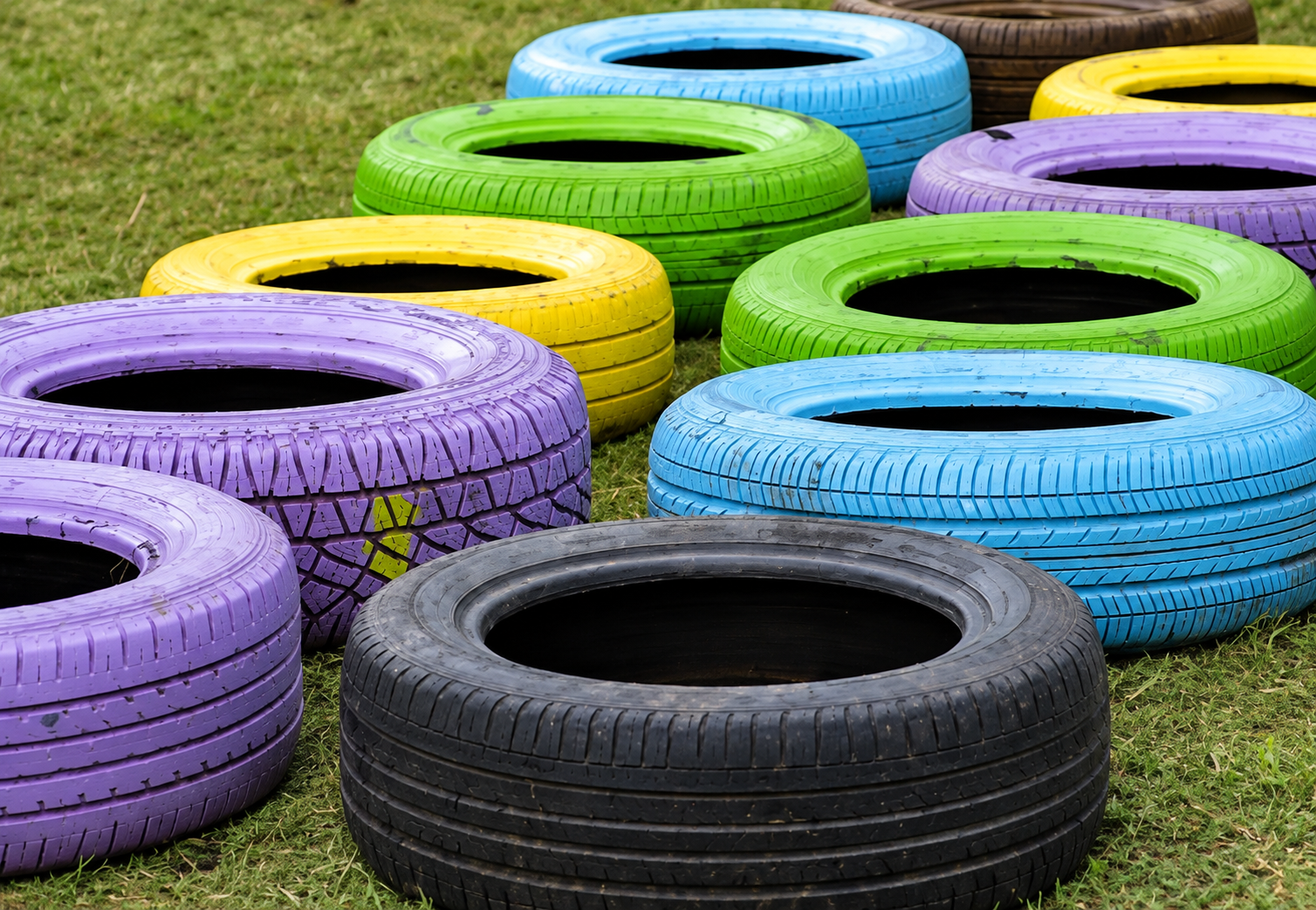
In 1992, Michelin worked with a French chemical group to replace carbon black with silica. Because silica’s natural color is white, different colorants can be added, allowing tires to be colored while maintaining performance. Precipitated silica, as a carbon black substitute, has high polarity, high activity, strong adsorption, and excellent reinforcing performance.

The core bottleneck isn’t technology—it’s price. They sell for 4–5 times the price of regular tires. Consumers won’t pay for that. It’s like phone color variants: if a new color costs twice as much, people would rather just buy a case.

There’s also fixed thinking. When a mindset becomes stable within a group, it can dominate for generations. Everyone assumes tires are black. With other colors, people either suspect quality problems or refuse the high price, and in the end they still drive away on black tires. Technically it’s not difficult, but there’s no need, and it doesn’t fit business logic.
04 Conclusion
Early tires weren’t black. Carbon black was found to improve performance, so tires turned black. Colored tires are technically feasible but expensive and have no market. Black has already become a universal mindset.
Post time:Sep-25-2020
