
There is no doubt that the era of new energy vehicles has arrived.A wave of innovative, feature-rich battery electric vehicles is rapidly capturing market share.Beyond powerful performance and tech-packed features, battery electric vehicles have another appealing advantage: a simpler maintenance and service process. But remember—easy maintenance does not mean maintenance-free.In fact, it makes the use of high-quality parts and consumables even more important.
1. Replace Wiper Blades
Wiper blades are made of rubber and are exposed to the outdoors for long periods. Sunlight, dryness, freezing temperatures, wind, and sand can all take a toll, so their lifespan is relatively limited. When the rubber ages, hardens, or even cracks, wiping performance declines, the windshield cannot be cleaned effectively, and the driver’s visibility and driving safety are seriously affected.

Maintenance Tip: Whether you drive a gasoline-powered vehicle or a new energy vehicle, inspect the wiper blades every 1–2 years and replace them promptly if you notice damage or aging.
2. Check the Tires
Tires are critical to vehicle handling and safety. When a new energy vehicle comes in for maintenance, technicians should always check tire pressure, tread depth, external damage, and whether the tire has been punctured or is losing air. When tires reach the wear limit, the rubber has severely aged, or the tire has suffered damage that cannot be repaired, they must be replaced promptly to prevent insufficient grip, tire debeading, or even a blowout.

Special Note: New energy vehicles—especially battery electric vehicles—usually require EV-specific tires with low rolling resistance and low road noise. Make sure replacement tires are compatible.
3. Check the Braking System
Brakes are a vital safeguard for driving safety and are wear items that require periodic maintenance. Severely worn brake discs and pads can cause abnormal braking noises and vibration, and can significantly reduce the vehicle’s deceleration efficiency. Therefore, checking the wear of brake friction components is essential. At the same time, brake fluid is hygroscopic, so its boiling point gradually decreases. When its moisture content exceeds the limit, it must be replaced.

Special Attention: Mid- and high-end electric vehicles generally weigh more, placing a greater load on friction components, so their brake wear should be monitored even more closely.
4. Replace the Cabin Air Filter
Today’s vehicle design focuses on occupant health. Many battery electric vehicles incorporate high-precision cabin air purification systems, and the cabin air filter is a very important part of that system.
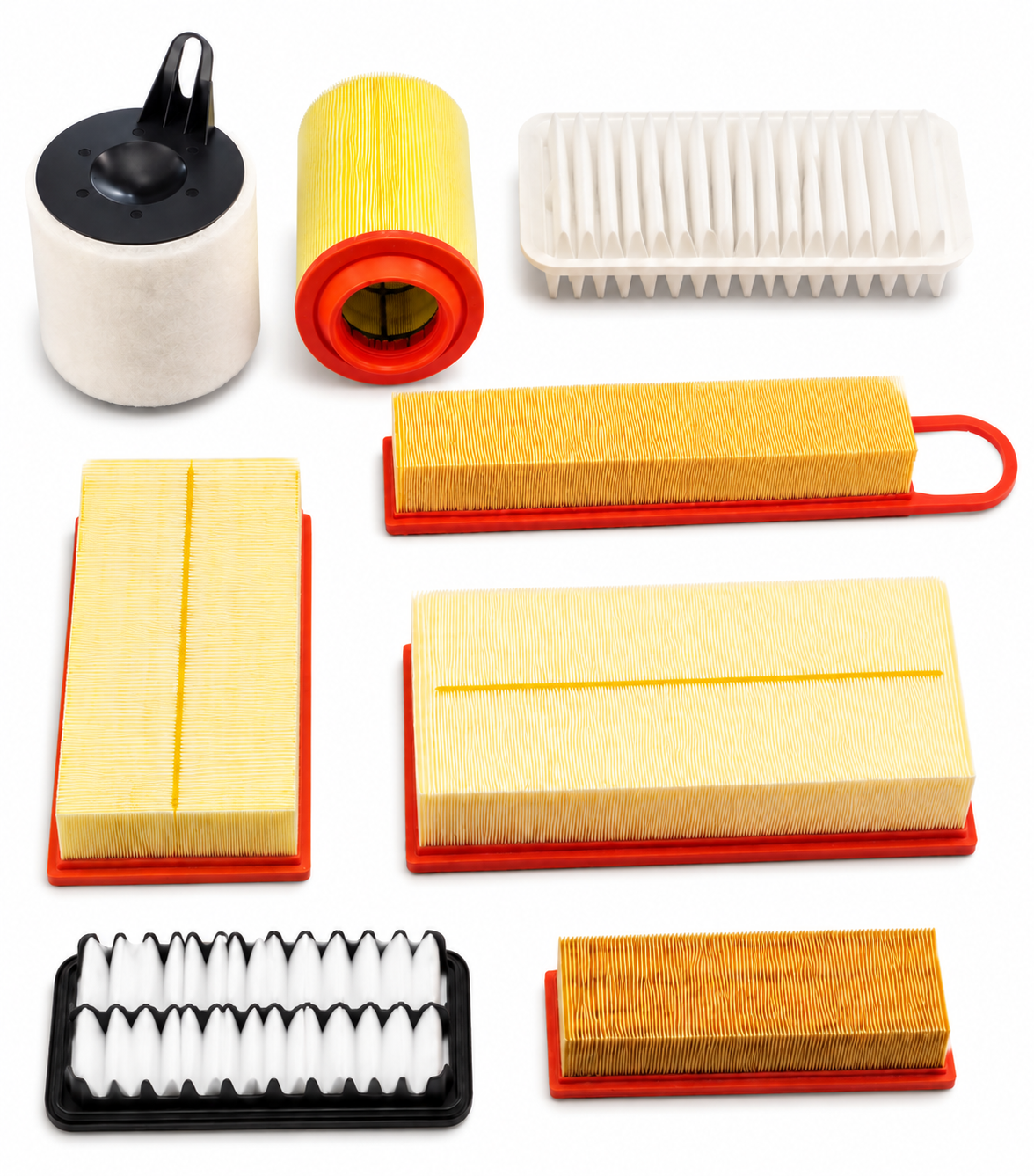
Maintenance Tip: For battery electric vehicles and other new energy models, it is recommended to replace the cabin air filter every 10,000 km or once or twice a year. This ensures cabin air purification efficiency, protects occupant health, and improves ride comfort.
5. Check the 12V Battery
Many battery electric vehicle owners tend to overlook that their vehicle still has a 12V battery. Because electrical components such as door locks, the blower motor, and power windows are powered by low voltage, the 12V battery is essential. As it ages, its charging and discharging efficiency declines. If ignored, it can eventually fail completely, causing door locks and windows to stop working and even trapping occupants inside the vehicle.

Maintenance Tip: New energy vehicle owners should not ignore the voltage of the 12V battery. Check and replace it at the intervals specified in the owner’s manual.
Final Thoughts
When driving a battery electric vehicle, besides enjoying a smoother driving experience, you must never skip regular basic maintenance. A good horse deserves a good saddle. Quality parts not only enhance the driving experience but also provide the most reassuring protection.
Post time:Sep-25-2020
