
An excellent air filter relies on two major elements: materials and craftsmanship, which can also be understood as its technical indicators. If you want a detailed understanding of these technical parameters, don't miss today's breakdown.
The Working Principle of an Air Filter
A passenger vehicle air filter consists of a housing and an air filter element. The housing itself is divided into a dirty air side housing and a clean air side housing, as shown in the structural breakdown.
How It Works (The Air Flow Path):
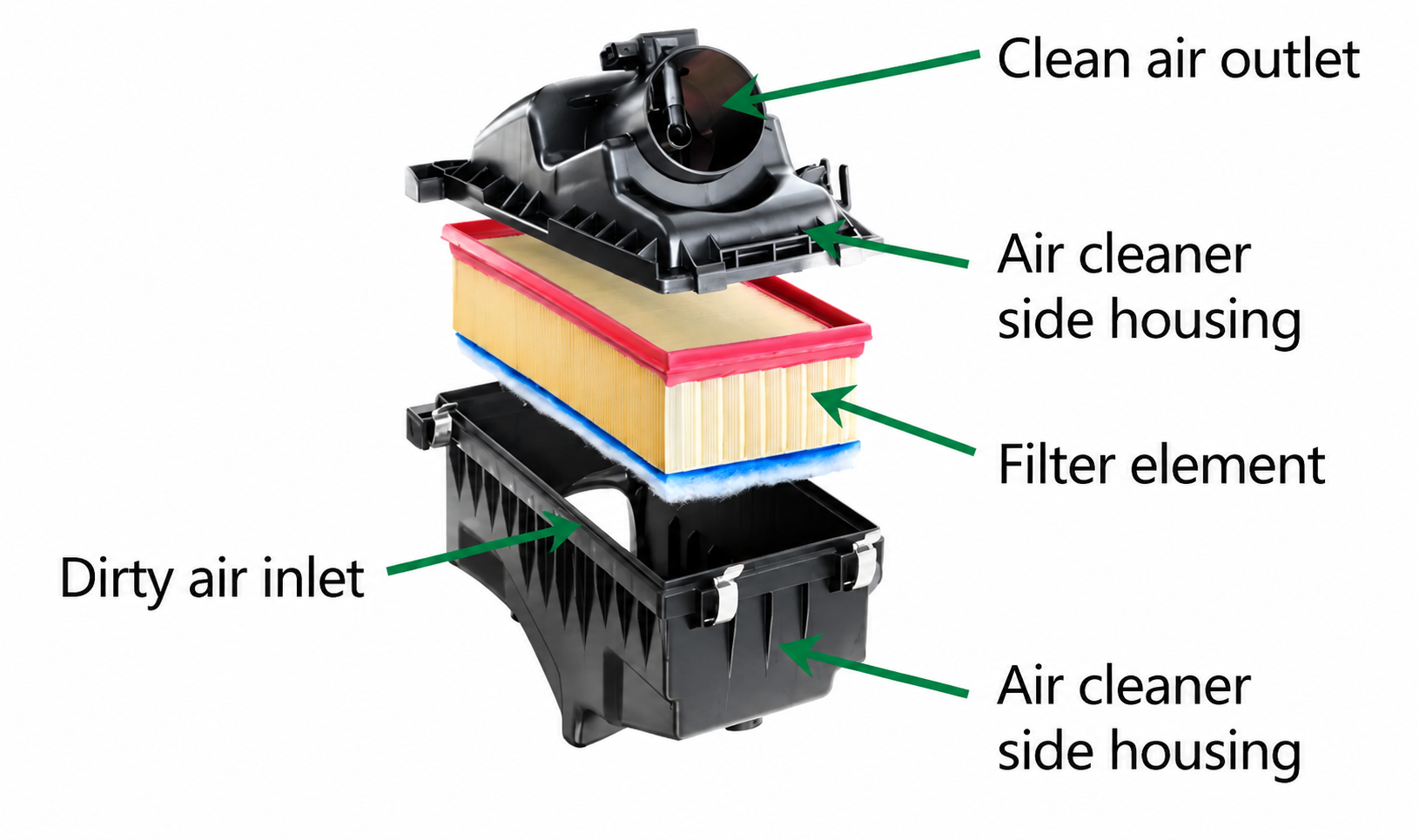
- Intake: The engine draws in dirty ambient air from the outside through the intake pipe into the dirty air side housing.
- Filtration: The air passes through the air filter element, which traps dust, debris, and other impurities.
- Delivery: The filtered clean air enters the clean air side housing and flows through the outlet pipe directly into the engine.
Key Technical Indicators of Air Filters
1.Filtration Performance Indicators
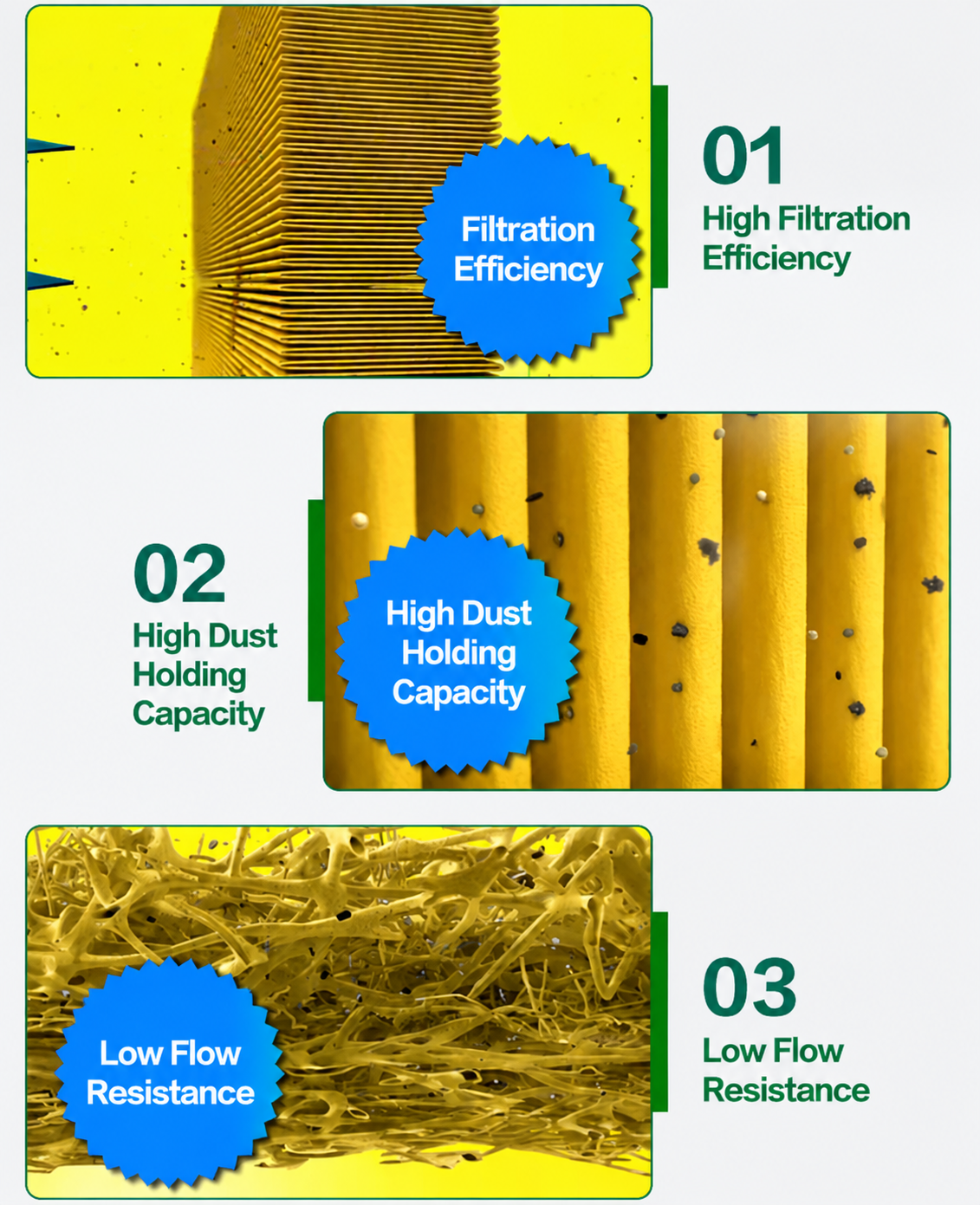
Filtration performance consists of three interconnected metrics: Filtration Efficiency, Dust-Holding Capacity, and Intake Resistance.
- If filtration efficiency is set excessively high, the dust-holding capacity decreases (shortening the filter element's lifespan), while intake resistance increases significantly. High resistance leads to insufficient engine air intake, increased fuel consumption, and reduced power output.
- Key Takeaway: Finding the optimal balance among these three parameters is essential for protecting the engine and maintaining optimal operation.
2.Moisture Resistance (Wet Strength)
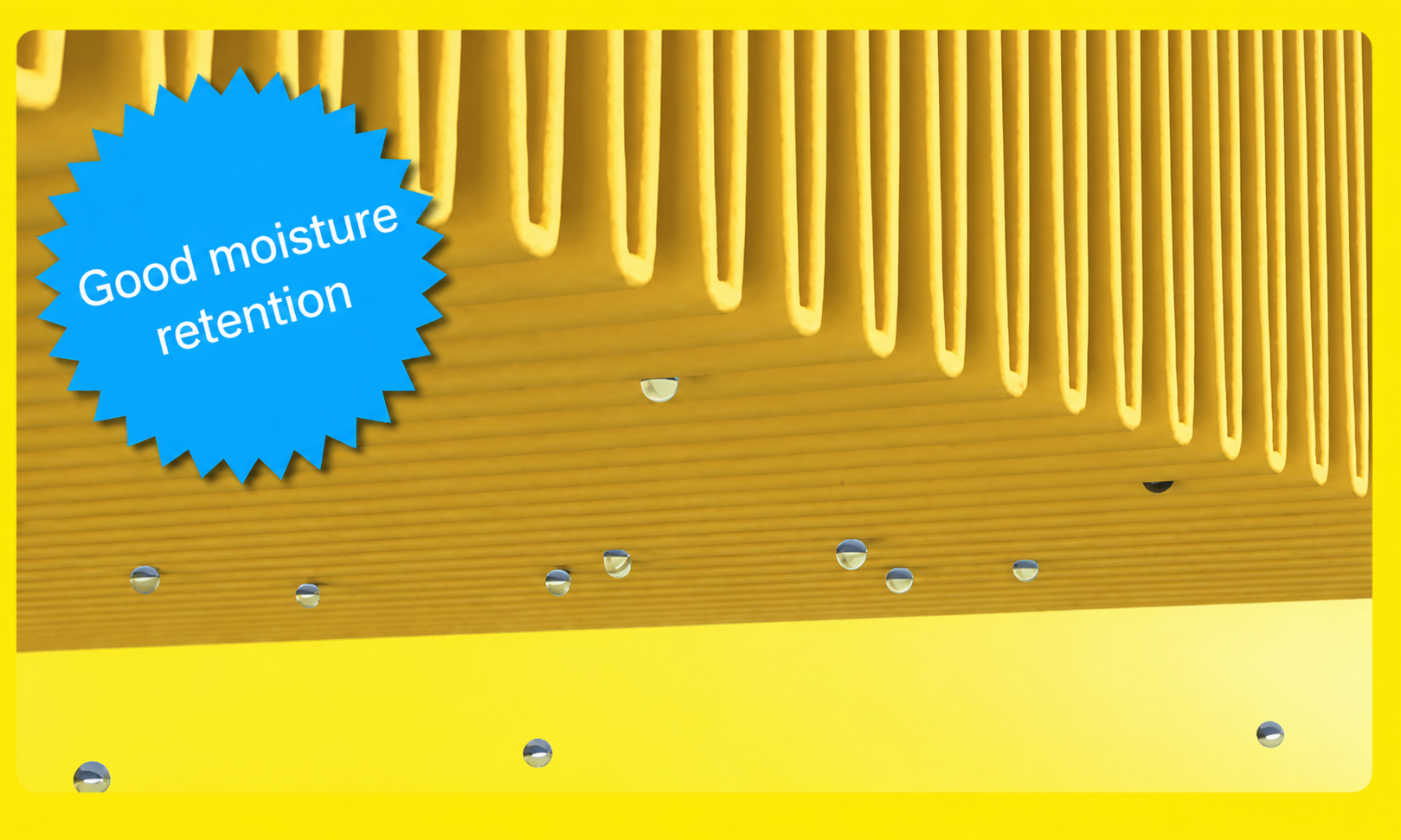
During high humidity or rainy weather, water vapor in the air is sucked into the engine intake system. If the paper filter media deforms severely upon contact with water, its filtration performance drops significantly. In worst-case scenarios, the wet filter paper may tear, allowing dust to bypass the filter and cause severe internal engine wear.
3.Flame Retardancy
If an ignition source (such as a lit cigarette butt) is accidentally sucked into the intake system, a filter element without flame-retardant media will ignite immediately. The fire can rapidly spread to the engine, leading to catastrophic damage.
Structure and Features of Air Filters
1.Filter Media
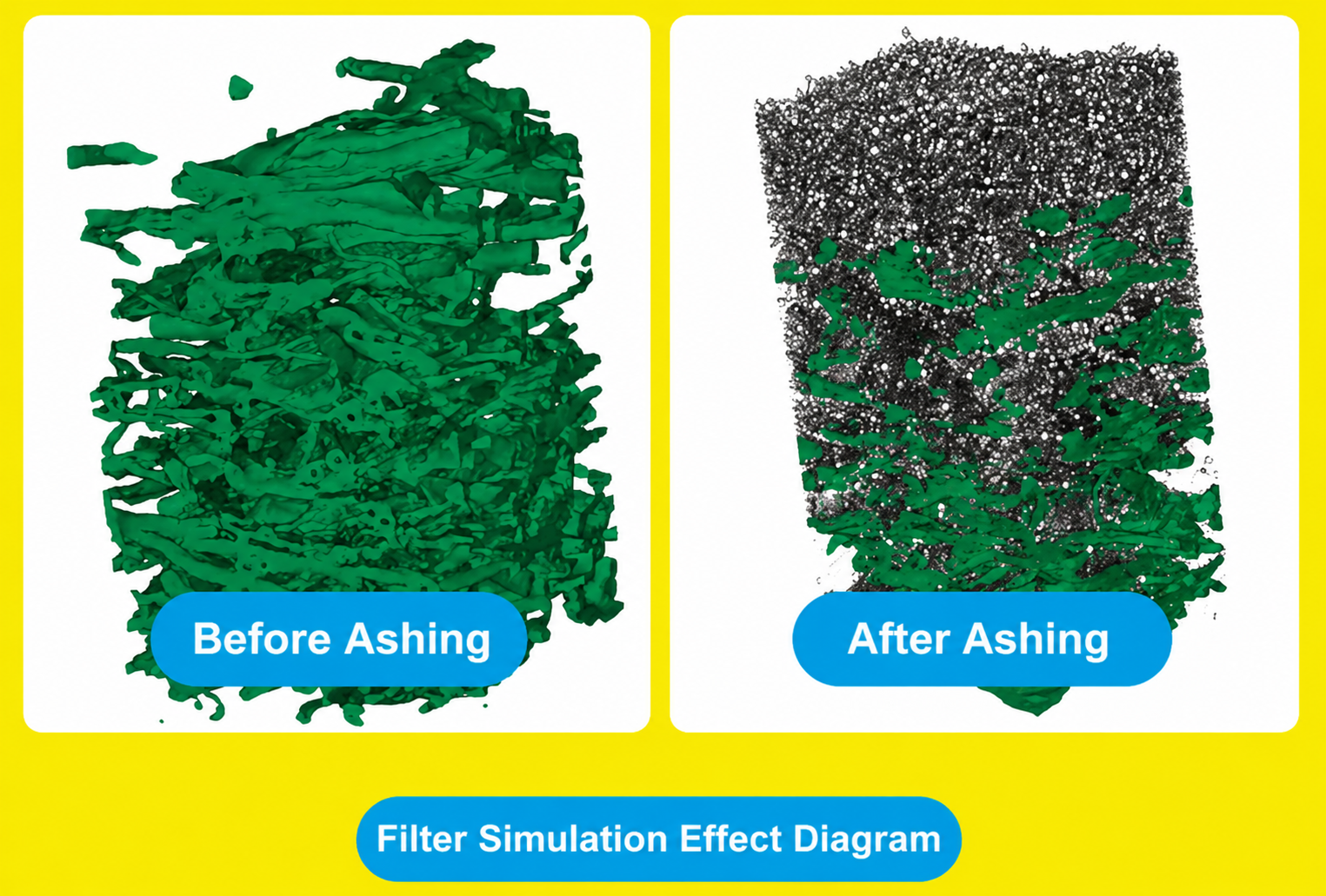
As the core component of filtration, the media must meet or exceed Original Equipment (OEM) technical standards while delivering consistent structural stability.
2.Sealing Ring (Gasket)
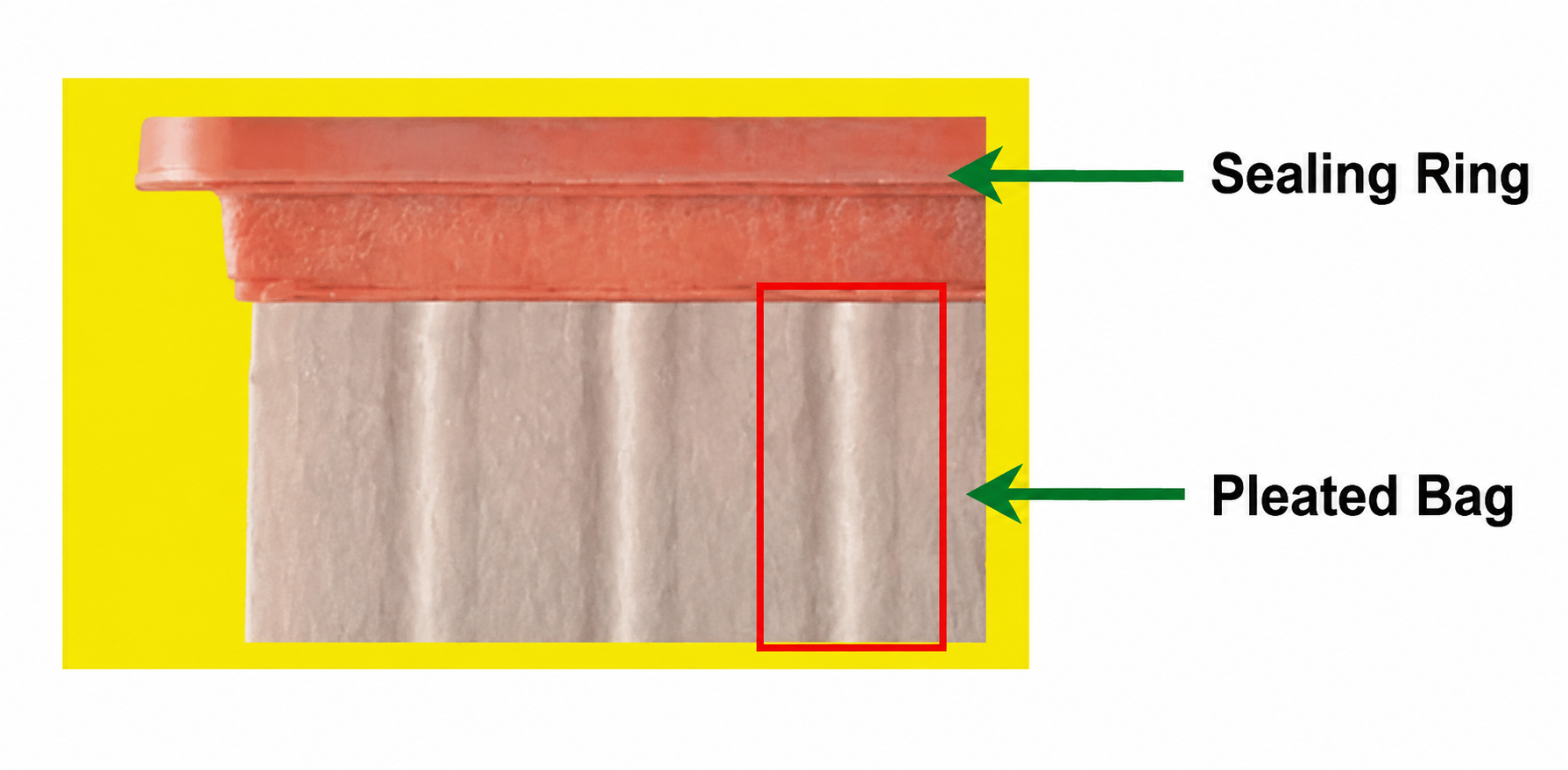
The sealing ring must strictly match the design of the filter housing. The chosen material must ensure airtight sealing throughout the entire service life of the air filter to prevent unfiltered air leaks.
3.High-Stability Structure
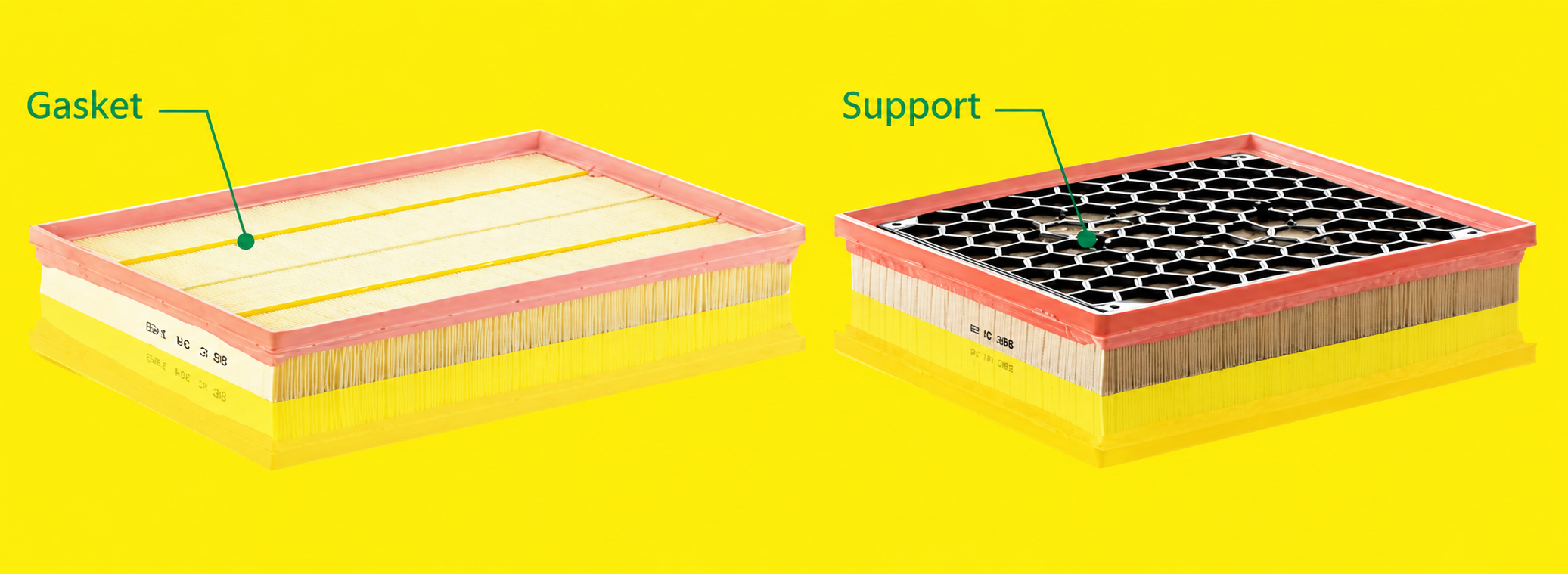
- Paper Embossing (Pleat Bulges): The height of the embossing on the pleats must be strictly controlled. If it is too low, it fails to stabilize the spacing between pleats; if it is too high, it can easily crush or damage the filter paper, causing microscopic dust leaks invisible to the naked eye.
- Glue Beads (Reinforcement Ribs) / Support Components: Typically used for large-sized filter elements or elements requiring enhanced structural integrity to maintain filtration stability under heavy airflow.
4.Pre-Filter Cotton

The pre-filter cotton serves to capture larger dust particles before they reach the primary media, thereby extending the total lifespan of the main filter element. Additionally, it acts as a barrier to block rain or snow from penetrating the filter during wet conditions.
Post time:Sep-25-2020
