
When parked at idle, does your vehicle shake, the steering wheel vibrate, or the engine RPM fluctuate up and down? When facing these issues, you might first check for carbon buildup, spark plugs, or the throttle body, but it is easy to overlook a crucial component: the air filter.
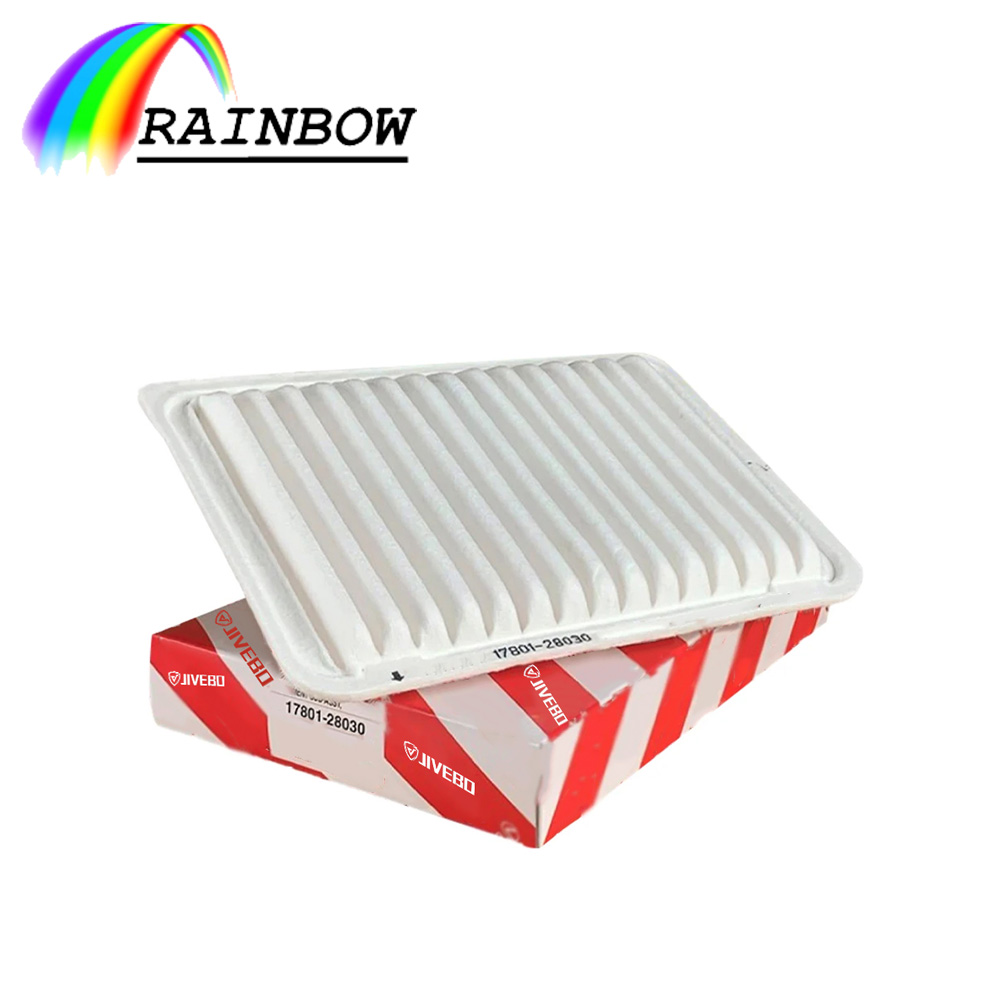
As the engine's "intake barrier," an abnormal air filter condition is a common trigger for engine idling vibration.
Why Air Filters Affect Vehicle Idling
Smooth engine operation relies on burning air and fuel mixed in a standard ratio. The air filter is responsible for filtering out dust and impurities from the air, delivering clean air to the engine. At idle, the engine load is low, making the stability of the intake air volume even more demanding than during driving.
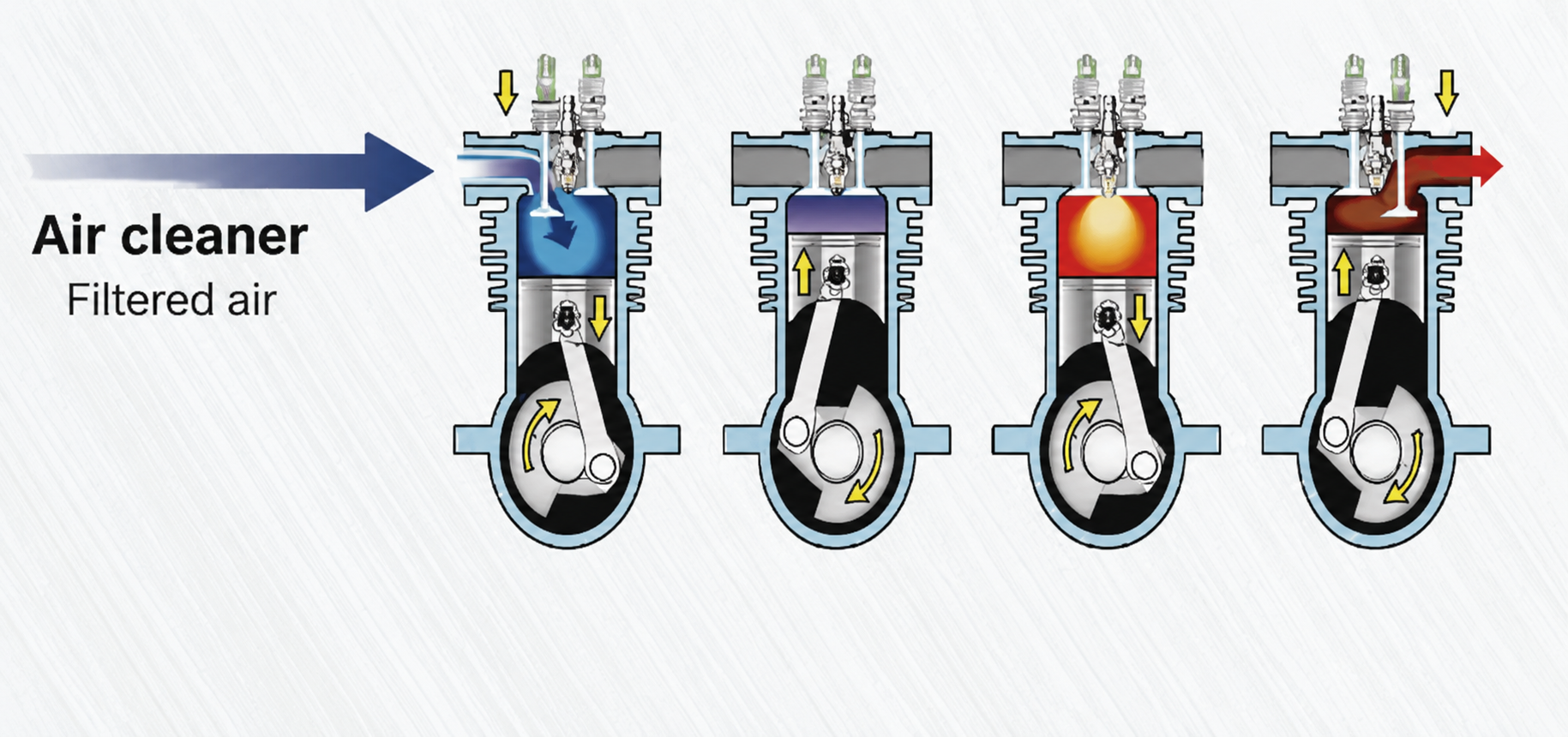
Once the air filter fails, the intake air volume fluctuates significantly, leading to an imbalance in the air-fuel ratio and preventing fuel from burning completely.
Vehicle body shaking will follow. Over time, this not only generates carbon deposits and clogs the engine, but it may also lead to cylinder scoring.
Engine Clogging & Reduced Intake Air
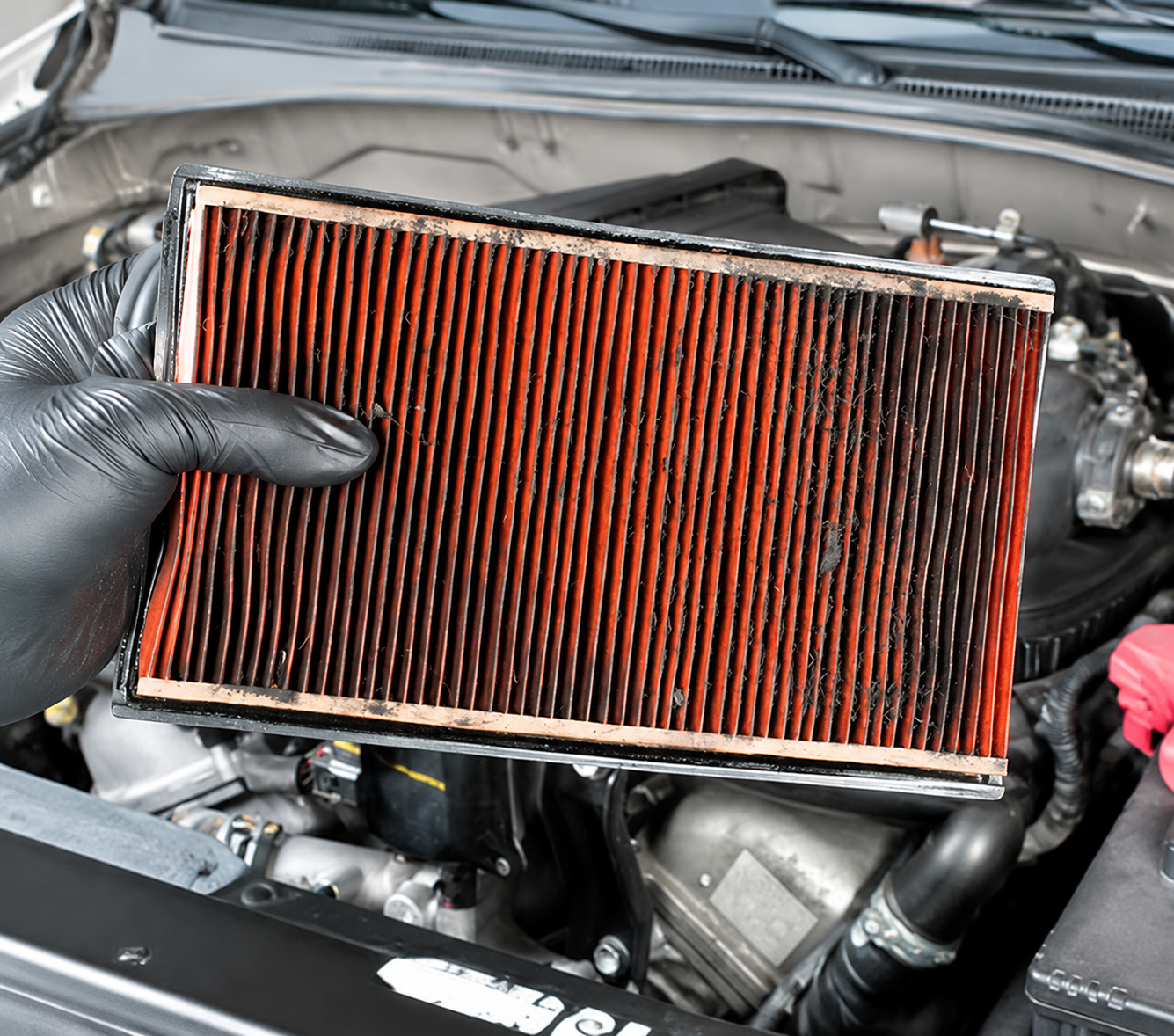
When a vehicle drives in dusty areas for long periods, the air filter paper gradually gets clogged by dust and sand, narrowing the intake passage and greatly increasing intake resistance.
Insufficient engine air intake leads to a rich air-fuel mixture, incomplete combustion, and power imbalance across cylinders. This ultimately manifests as idle vibration, often accompanied by reduced power and increased fuel consumption.
Improper Installation & Air Leaks
Improper installation during air filter replacement, loose housing clips, or aging and damaged sealing rubber rings can cause intake air leaks.
Unfiltered air leaks into the intake pipe through gaps. This extra air disrupts the original air-fuel ratio, causing the engine to lose balance at idle and triggering vibrations. Simultaneously, impurities entering the engine accelerate the wear of internal parts.
Poor Quality Air Filters
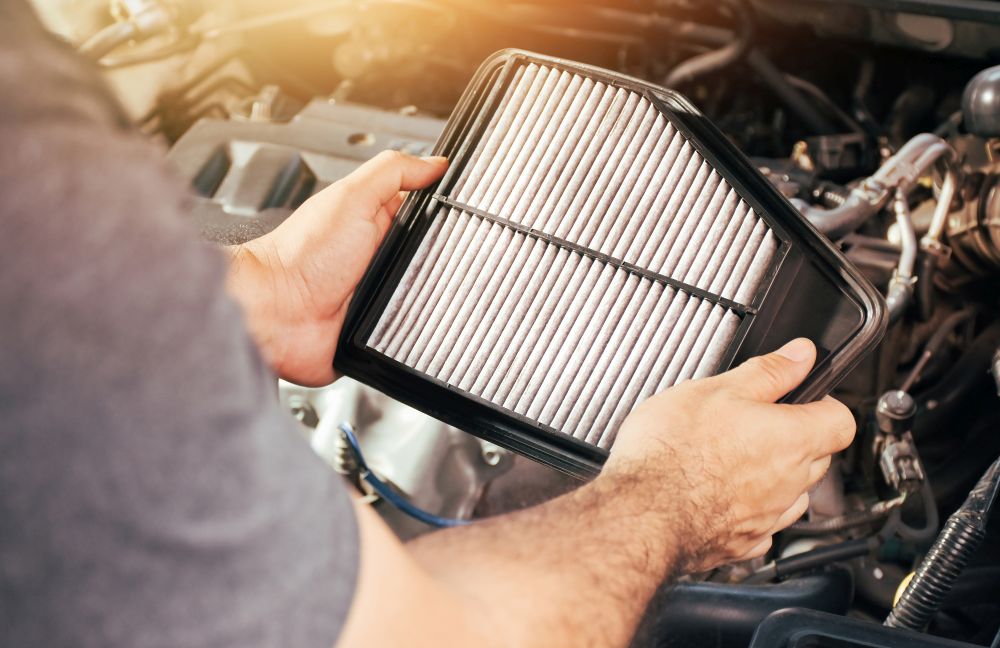
Inferior air filters use poor-quality filter paper with uneven density that easily deforms. As a result, intake resistance fluctuates unpredictably, failing to ensure continuous and stable air intake. At idle, the impact of unstable air intake is amplified, causing chaotic engine operation, frequent vibrations, and long-term damage to the engine.

Anti-Vibration Guide: Efficient Air Circulation + Effective Impurity Filtration
Select a Reliable Air Filter
A high-quality air filter balances high filtration efficiency with reasonable intake resistance. It blocks impurities to protect the engine while ensuring smooth air intake, eliminating idle vibration and power abnormalities at the source.
Taking Rainbow brand air filters as an example, quality air filters have the following characteristics:Fine and dense filter mesh without restricting airflow: Efficiently intercepts impurities in the air, ensuring clean air enters the engine for complete fuel combustion—resulting in smooth idling and full power delivery.

Standardize Installation and Check Sealing
After replacing the filter element, confirm that the rubber sealing ring fits completely flat, securely fasten all housing clips, and eliminate any gaps that cause air leaks.
Inspect Regularly and Replace on Time
Adjust maintenance cycles based on your driving environment. If you frequently drive on construction sites, rural roads, or dusty roads, it is recommended to shorten inspection intervals and replace the filter in a timely manner.
Conclusion
The air filter may seem small, but it is the first line of defense for normal engine operation. When your vehicle experiences engine idling vibration,consider checking the status of your air filter first.
Post time:Sep-25-2020
