
Replacing a fuel filter at 20,000 km—approximately 12,400 miles—may be reasonable for some vehicles with a serviceable external fuel filter. However, many modern gasoline vehicles use an in-tank “lifetime” filter that does not require scheduled replacement.
Before approving the service, check your owner’s manual, identify the type of filter installed in your vehicle, and ask the dealer why replacement is being recommended.
What Does a Fuel Filter Do?
A fuel filter removes solid contaminants from gasoline before the fuel reaches sensitive components such as the fuel pump and injectors.
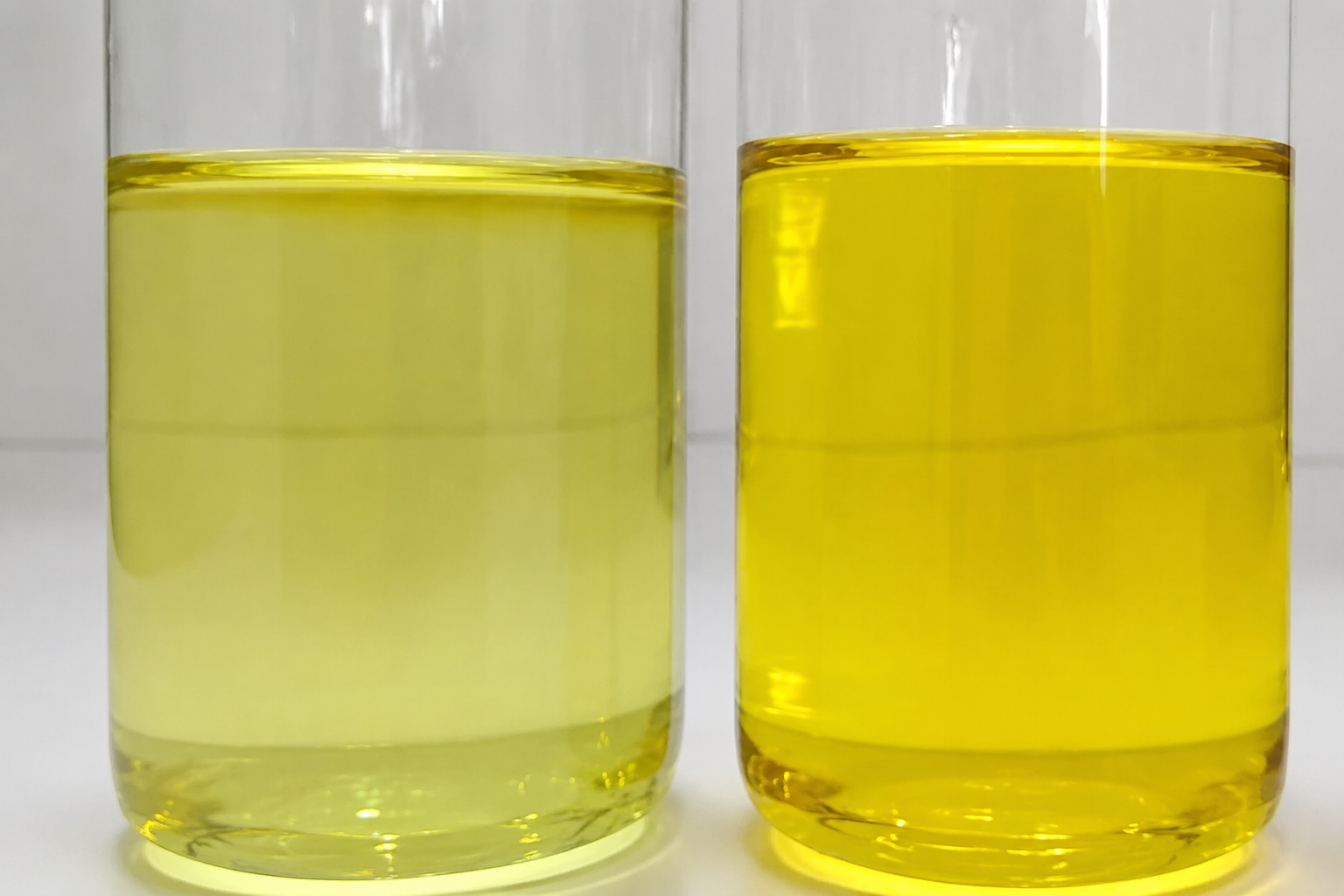
Although gasoline may look perfectly clear, contamination can enter the fuel system through:
- Storage and transportation equipment
- Corrosion inside tanks or fuel-system components
- Dust entering during refueling
- Debris introduced during repairs
- Poor-quality or contaminated fuel
- Wear particles generated inside the fuel system
The importance of filtration is supported by automotive engineering research. An SAE technical paper titled Correlation of Fuel Filtration Levels to Fuel Injector Wear and Performance Shifts found that improved fuel filtration significantly reduced abrasive injector wear and changes in injector performance under contaminated-fuel test conditions. (saemobilus.sae.org)

Fuel filters are therefore designed to protect:
- Fuel injectors
- Fuel pumps
- Fuel-pressure regulators
- Fuel rails and fuel lines
- High-pressure injection components
- Engine performance and emissions systems
ISO 19438:2023, an international testing standard for diesel and gasoline filters, evaluates three important characteristics: particulate-removal performance, contaminant-holding capacity, and pressure drop across the filter. (iso.org)

What Happens When a Fuel Filter Becomes Clogged?
As contamination accumulates inside a filter, fuel-flow resistance can increase. Eventually, the fuel pump may have difficulty supplying the volume and pressure requested by the engine.
Possible symptoms of a restricted fuel filter include:
- Difficult or delayed starting
- Hesitation during acceleration
- Engine surging
- Loss of power under load
- Misfires
- Low fuel-pressure warnings
- Stalling
- Unusual fuel-pump noise
- Poor high-speed performance
These symptoms are not exclusive to the fuel filter. A weak fuel pump, faulty pressure sensor, contaminated injector, ignition problem, or electrical fault can produce similar behavior. A technician should therefore test fuel pressure and flow before replacing an expensive in-tank assembly.
Injector condition can also affect engine operation. Research published in Applied Energy found that fouled gasoline direct-injection injectors produced poorer mixture preparation and combustion stability, along with higher hydrocarbon and particulate emissions. (sciencedirect.com)
Another experimental study found that injector deposits altered spray characteristics and increased hydrocarbon and particulate emissions even during the early stages of fouling. (sciencedirect.com)
A fuel filter cannot prevent every type of injector deposit—combustion-side deposits have additional causes—but effective filtration helps prevent abrasive particles from reaching the injector’s internal components.
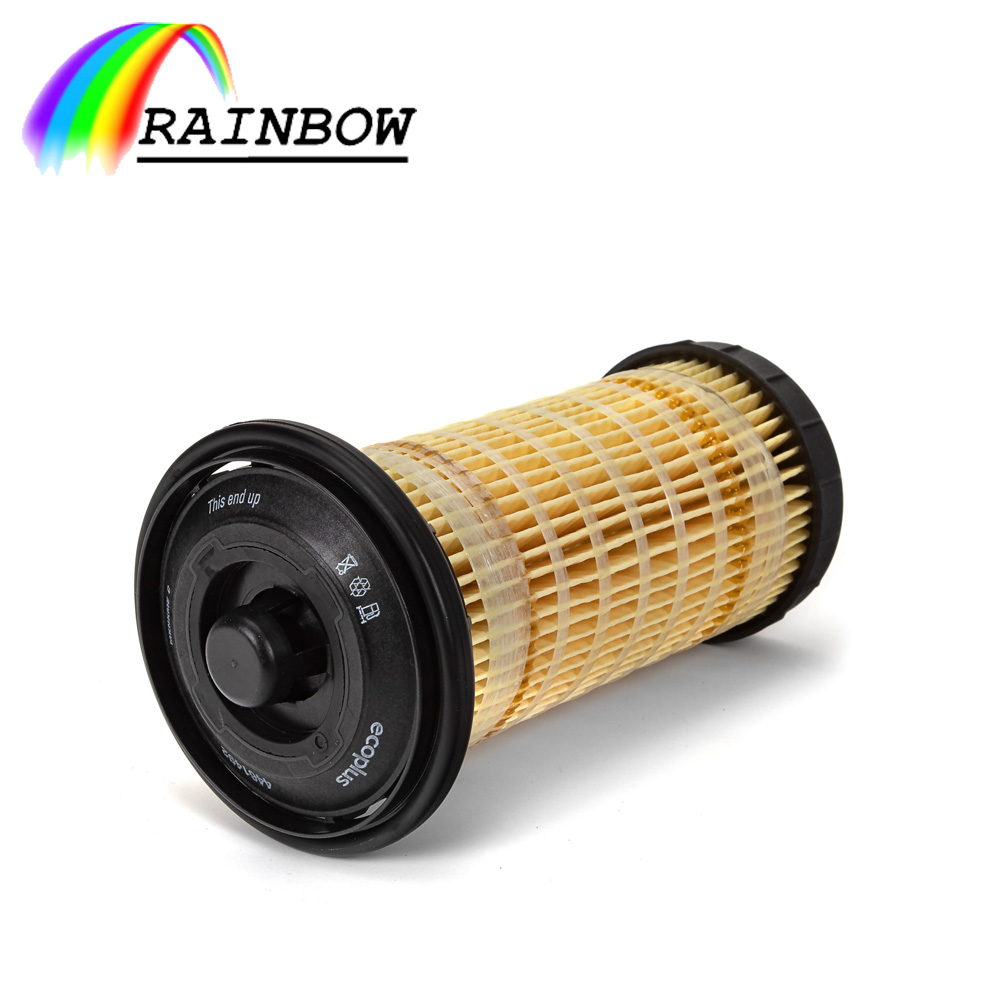
External vs. In-Tank Fuel Filters
The correct replacement interval depends largely on the vehicle’s fuel-system design.
| Fuel-filter type | Typical location | Service approach |
|---|---|---|
| External or inline filter | Under the vehicle, in the engine compartment, or near the fuel tank | Often designed as a replaceable maintenance item |
| In-tank filter | Inside the fuel tank, usually integrated with the pump module | Frequently designed for extended or lifetime service |
| Fuel-pump strainer | Attached to the pump inlet inside the tank | Normally serviced with the pump or module |
| High-pressure filter | Used in certain direct-injection systems | Vehicle-specific inspection or replacement schedule |
External or Inline Fuel Filters
An external filter is normally easier and less expensive to replace. Some vehicles—particularly older models or vehicles designed for markets with inconsistent fuel quality—include scheduled fuel-filter replacement.
For one of these vehicles, a recommendation at 20,000 km may be legitimate if that interval appears in the manufacturer’s maintenance schedule.
However, the mere presence of an external filter does not automatically mean it must be replaced every 20,000 km. Some have considerably longer intervals.
In-Tank Fuel Filters
Many modern gasoline vehicles integrate the fuel filter into the fuel-pump module inside the tank. These filters normally have larger media areas and are designed for extended service.
Several manufacturers describe certain in-tank filters as lifetime components. For example, Kia states in its maintenance information that its gasoline vehicles may use a lifetime fuel filter integrated with the fuel tank. Regular replacement is generally unnecessary unless fuel quality or symptoms indicate a problem. (ownersmanual.kia.com)
Ford also states in some gasoline-vehicle manuals that the vehicle has an integrated lifetime fuel filter that does not require regular maintenance or replacement. (fordservicecontent.com)
Therefore, replacing an integrated filter at only 20,000 km would be difficult to justify when:
- The owner’s manual lists no replacement interval
- The vehicle has no fuel-pressure or drivability symptoms
- Diagnostic testing shows normal fuel pressure and flow
- The vehicle has not received contaminated fuel
- The filter is sold only as part of an expensive pump module
That does not mean every in-tank filter lasts forever. Some manufacturers specify replacement intervals for particular models, and contaminated fuel can shorten filter life substantially.
Is 20,000 km Too Early?
Use the following decision table before authorizing the service.
| Situation | Is replacement at 20,000 km reasonable? |
|---|---|
| The maintenance manual specifies 20,000 km | Yes |
| The car has a replaceable external filter and operates with poor-quality fuel | Possibly |
| Testing confirms restricted fuel flow or low pressure | Possibly, after ruling out the pump and electrical system |
| The tank was filled with contaminated gasoline | Inspection or early replacement may be justified |
| The filter is an in-tank lifetime unit with no symptoms | Usually no |
| The dealer recommends it only as a generic package item | Ask for evidence |
| The filter is being replaced without checking the vehicle’s manual | Do not approve it automatically |
The most accurate answer is therefore:
A 20,000 km fuel-filter replacement is appropriate only when required by the vehicle’s maintenance schedule or supported by contamination, diagnostic results, or relevant symptoms. Mileage alone is not enough.
Can a “Lifetime” Fuel Filter Still Fail?
Yes. In automotive terminology, “lifetime” generally means the component has no routine replacement interval under normal operating conditions. It does not guarantee that the filter can never become damaged or restricted.
Inspection may be necessary after:
- Filling the tank with contaminated fuel
- Water or sediment entering the fuel tank
- Internal tank corrosion
- Fuel-pump failure
- Long-term vehicle storage
- Major fuel-system repairs
- Persistent low-pressure or fuel-flow symptoms
Kia’s official guidance similarly notes that a lifetime in-tank filter may need inspection or replacement when symptoms such as surging, loss of power, hard starting, or fuel-flow restriction appear. (ownersmanual.kia.com)
How Much Does Fuel-Filter Replacement Cost?
The total cost depends on the filter design and labor required.
External Filter
An external filter is usually less expensive because the technician can access it without opening the fuel tank or removing major interior components.
The cost normally includes:
- Replacement filter
- Labor
- Fuel-pressure release
- Leak inspection
- Disposal of the old filter
In-Tank Filter
An in-tank filter can be significantly more expensive because it may require:
- Removing the rear seat or fuel-tank access panel
- Lowering the fuel tank on some vehicles
- Removing the fuel-pump module
- Replacing seals or retaining rings
- Using special fuel-system tools
- Replacing the complete pump-and-filter assembly
Before approving an in-tank filter replacement, ask whether the filter is available separately or only as part of the pump module.
Can You Replace a Fuel Filter Yourself?
Fuel-filter replacement is not an ideal beginner-level DIY job.
Gasoline is highly flammable, and modern fuel systems remain pressurized after the engine is switched off. Disconnecting a line without safely relieving the pressure can cause fuel to spray from the fitting.
Honda’s service information has specifically warned that pressurized gasoline can spray out if fuel-line connections are not handled correctly. (techinfo.honda.com)
Other risks include:
- Fire caused by sparks or open flames
- Fuel contacting the eyes or skin
- Damaging quick-connect fittings
- Installing a directional filter backward
- Pinching or reusing an unsuitable seal
- Creating a fuel leak
- Contaminating an open fuel line
- Damaging the pump module or fuel-level sender
Unless you have the correct tools, service information, ventilation, fire-safety equipment, and fuel-pressure procedures, professional replacement is the safer option.
What Should You Ask the Dealer?
If a dealer recommends replacement at 20,000 km, ask these questions:
- Where is the replacement interval shown in my owner’s manual?
- Does my vehicle have an external filter or an in-tank filter?
- Is the filter available separately from the fuel pump?
- Are there diagnostic results showing low fuel pressure or restricted flow?
- Did the technician find contamination in the fuel system?
- Is this manufacturer-required maintenance or a dealer-recommended service?
- What happens to my warranty if I decline the service?
Ask the service adviser to show you the manufacturer’s schedule rather than relying only on a dealer-created maintenance package.
The Final Verdict
A fuel filter performs an important job, but that does not mean every gasoline vehicle needs a new filter at 20,000 km.
Replacement at 20,000 km may be appropriate when:
- The manufacturer specifies that interval
- The vehicle has a serviceable external filter
- The car regularly encounters contaminated fuel
- Testing confirms a restriction
- Relevant symptoms are present
Replacement is usually unnecessary when:
- The vehicle has an integrated lifetime filter
- The manual lists no scheduled replacement
- Fuel pressure and engine performance are normal
- There is no evidence of contamination
- The recommendation comes only from a generic dealer service package
The owner’s manual—not a universal mileage rule—is the best source for your vehicle’s fuel-filter replacement interval.
Post time:Sep-25-2020
