

Conclusion First
Standard interval: Replace it once every 6 months to 1 year, or every 10,000 to 20,000 km.Harsh environments: In conditions such as smog or sandstorms, it is recommended to replace it every 3 to 6 months.
Health first: If the airflow from the car's AC becomes weaker, there is a strange smell, or you feel the air quality is poor, that also means the filter needs to be replaced as soon as possible.
1. What Does a Cabin Air Filter Do?
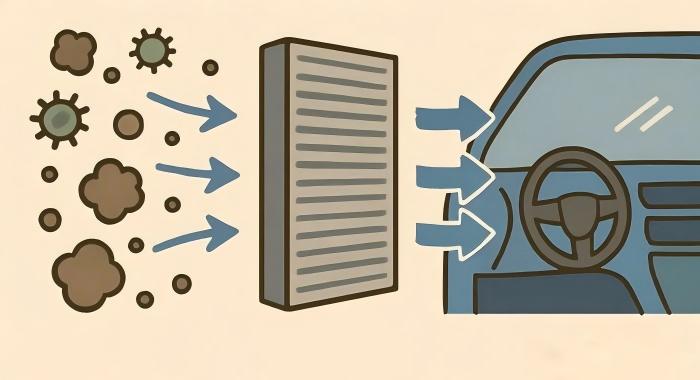
The main job of the cabin air filter is to filter the air entering the vehicle and remove dust, pollen, bacteria, mold, and harmful gases from it. In a way, it is the "mask" for the air inside your car.
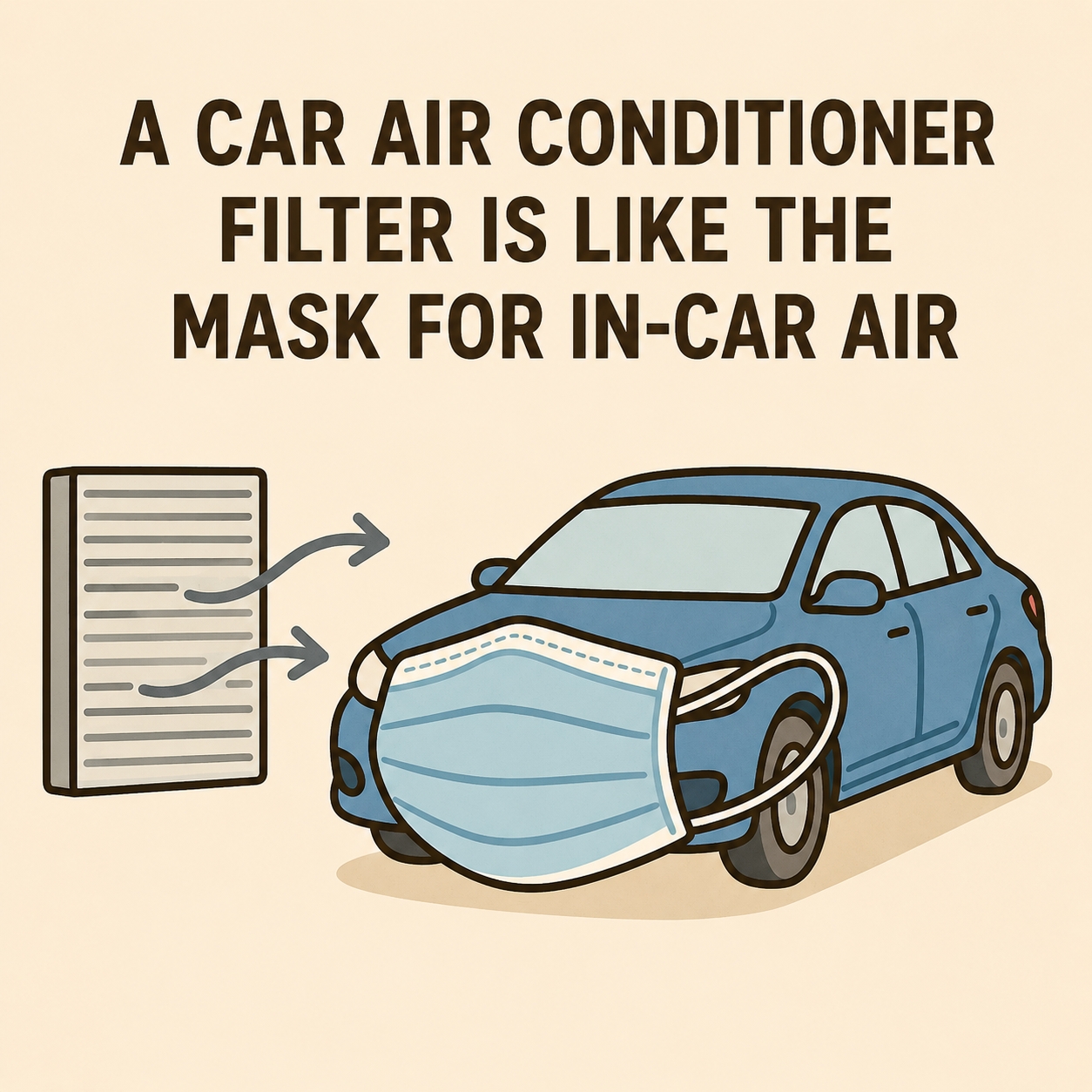
Especially in areas with severe smog and heavy air pollution, the cabin air filter is even more important. It can help drivers and passengers avoid inhaling harmful substances and protect the air quality inside the car.
2. Standard Replacement Interval
For most car owners, the replacement interval for the cabin air filter is usually every 6 months to 1 year, or every 10,000 to 20,000 km. However, the exact interval should also be adjusted flexibly according to how the vehicle is used and the environment it is driven in.
City Environment:If the air quality in your city is good, replacing it once every 10,000 km or once a year is generally enough.
Frequent AC Use:If you use the air conditioner frequently during hot summers or cold winters, you can shorten the replacement interval appropriately.
Harsh Environments:If you often drive in areas with sandstorms, smog, or serious industrial pollution, Lungoo recommends replacing it every 3 to 6 months to prevent the filter from clogging and affecting AC performance.
 3. How the Environment Affects the Replacement Interval
The replacement interval of the cabin air filter is not fixed. Environmental factors have a major impact on it. Air quality and climate conditions in different regions directly affect the life of the filter.
Dusty and Smoggy Areas : If you live in a place with serious air pollution, such as northern cities where smog is common or northwestern regions, Lungoo recommends checking the filter every 3 months or every 5,000 km.
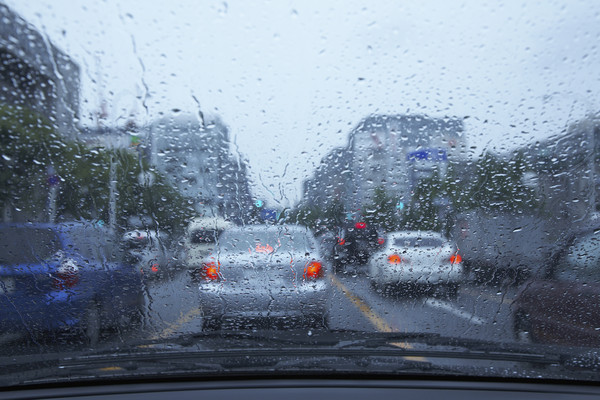
Humid Areas: For southern cities with high humidity year-round, or areas during the rainy season, the higher moisture in the air makes the filter more likely to breed mold and bacteria, so it needs to be checked and replaced more frequently.
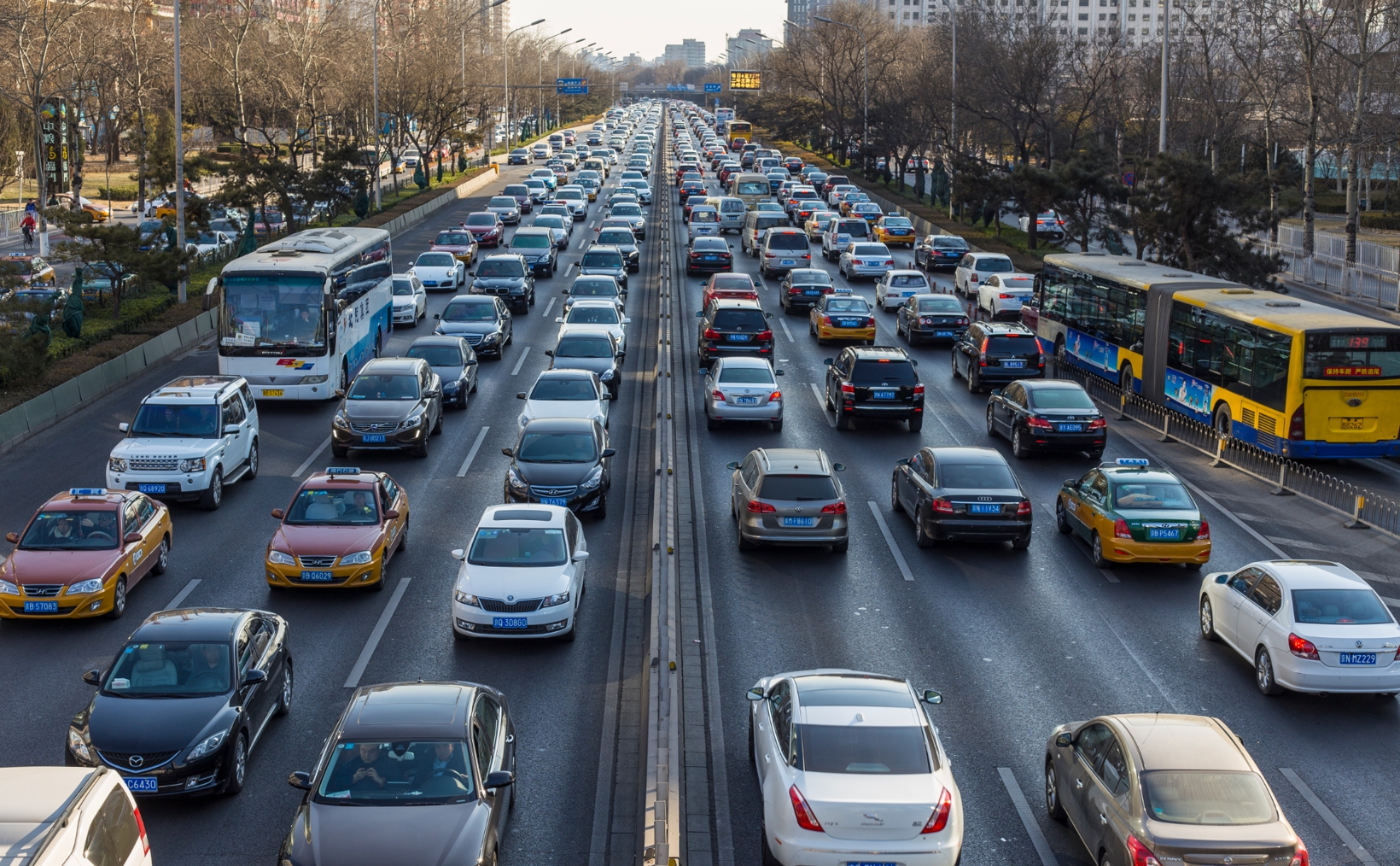
Urban Traffic Congestion: In busy cities, there is more dust and exhaust in the air, and frequent use of the air conditioner can also make the filter dirty faster. Therefore, for drivers who mainly travel on city roads, I recommend checking and replacing the cabin air filter every 6 months.
4. How to Tell Whether the Cabin Air Filter Needs Replacing?
Although most car owners replace the cabin air filter based on time or mileage, sometimes we can tell whether it needs replacement through a few "signals":
Reduced airflow: If you notice that the cooling or heating effect of the AC has clearly declined, or the airflow has become noticeably weaker, the filter may be clogged and need replacement.
Bad odor inside the car: If there is a moldy smell, earthy smell, or any other unpleasant odor coming from the AC vents, that means the filter may already be saturated and holding too many pollutants, so it should be replaced in time.
Health issues: If you or other passengers in the car frequently experience coughing, sneezing, or other allergy-like symptoms, it may also mean that the filter can no longer effectively clean harmful substances from the air, resulting in poorer air quality inside the cabin.
5. Special Cases and Notes
1. Types of Cabin Air Filters
Different types of filters affect the replacement interval. Common types include standard paper filters, activated carbon filters, and HEPA filters:
Standard filter: Suitable for most ordinary family vehicles. It is recommended to replace it every 10,000 km or every 6 months.
Activated carbon filter: In addition to filtering dust, it can also absorb odors and harmful gases inside the car, making it suitable for areas with heavier air pollution. The replacement interval for activated carbon filters is slightly longer, usually 15,000 km or 9 months.
HEPA filter: This type of filter can capture fine particles such as PM2.5. It is suitable for car owners with higher air quality requirements, especially people with allergy histories. The replacement interval is generally 20,000 km or 1 year.
2. Seasonal Replacement
The change of seasons each year, especially spring and autumn, is also a good time to check and replace the cabin air filter. During these periods, pollen and dust tend to circulate in large amounts, and the filter can easily trap these substances, affecting air quality. Therefore, it is best to check or replace the cabin air filter once in both spring and autumn.
3. DIY Replacement Tips
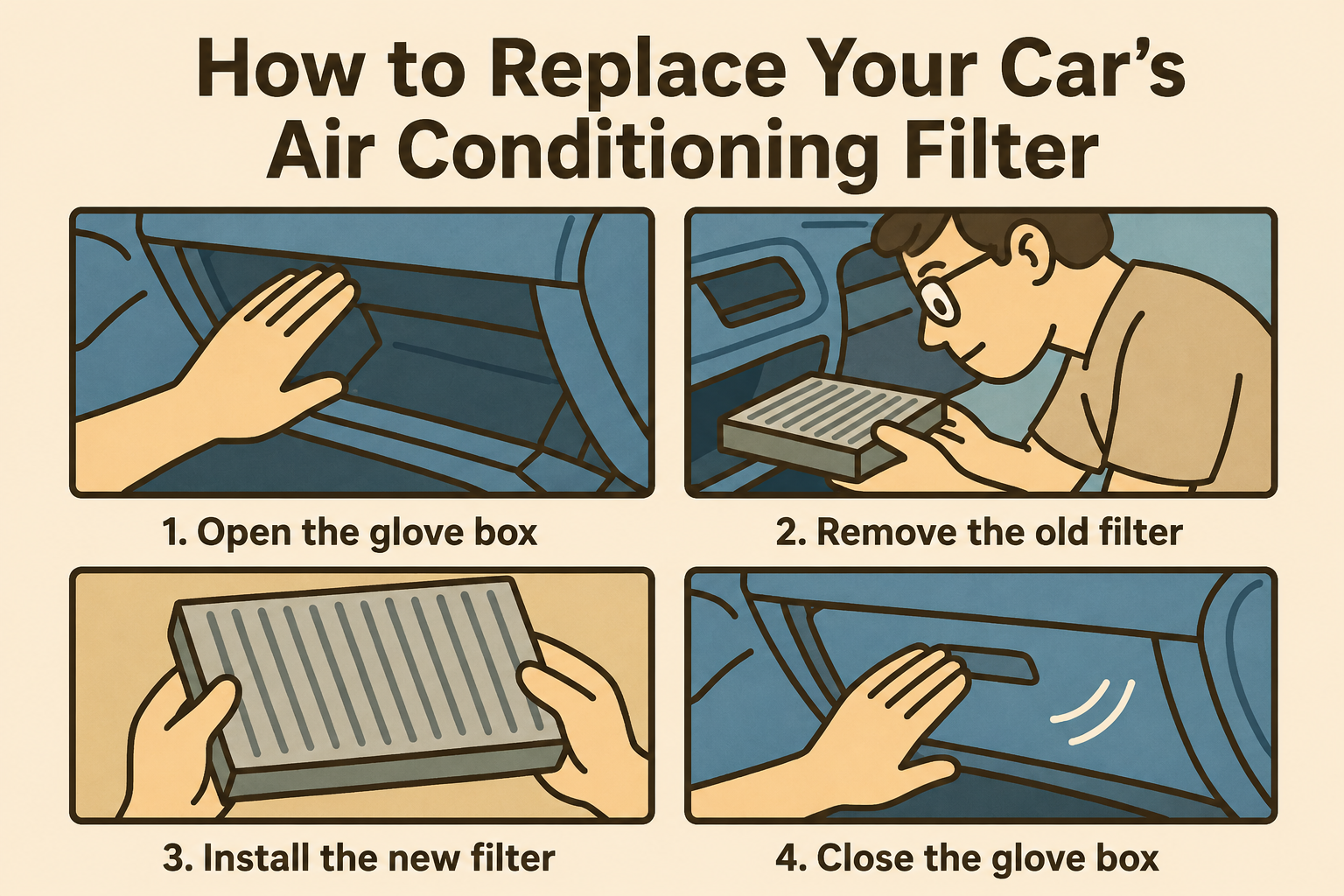
In fact, replacing the cabin air filter is not complicated. In most vehicle models, the filter is located behind the front passenger glove box or in the engine bay. You only need to find the location according to the owner's manual, remove the old filter, and install a new one. This can not only save maintenance costs, but also help you keep track of the filter's condition in time.
Summary:
The cabin air filter is an important part of maintaining the air quality inside the vehicle. Replacing it regularly not only helps you breathe cleaner air, but also improves the service life of the AC system. In general, we should adjust the replacement interval according to mileage, usage environment, and seasonal changes:Standard interval: Every 6 months to 1 year, or every 10,000 to 20,000 km.
Harsh environments: In conditions such as smog or sandstorms, it is recommended to replace it every 3 to 6 months.
Health first: If there are family members in the car with allergies, it is recommended to shorten the replacement interval to keep the air inside the car fresh.
Remember: only by checking the condition of the cabin air filter regularly and adjusting the replacement interval flexibly based on actual use can you make your driving life more comfortable and healthier!
FAQ
How often should a car cabin air filter be replaced?
For most vehicles, the recommended interval is every 6 months to 1 year, or every 10,000 to 20,000 km. In harsher environments, it may need to be replaced every 3 to 6 months.What are the signs that a cabin air filter needs replacing?
Common signs include weaker airflow, unpleasant smells from the vents, reduced cooling or heating performance, and allergy-like symptoms inside the car.Does city driving make the cabin air filter dirtier faster?
Yes. Dust, exhaust fumes, and frequent AC use in urban traffic can make the filter become dirty more quickly.Is it necessary to replace the cabin air filter more often in humid areas?
Yes. In humid environments, the filter is more likely to collect moisture and breed mold or bacteria, so more frequent inspection and replacement are recommended.What type of cabin air filter lasts the longest?
Among the types mentioned in the article, HEPA filters and activated carbon filtersPost time:Sep-25-2020
