
Ask around about spark plug replacement intervals, and you’ll get wildly different answers: some swear you need new plugs every 15,000 miles (20,000 km), while others brag about running 100,000 miles on the factory set without a single issue.
1.Electrode Material Dictates Lifespan
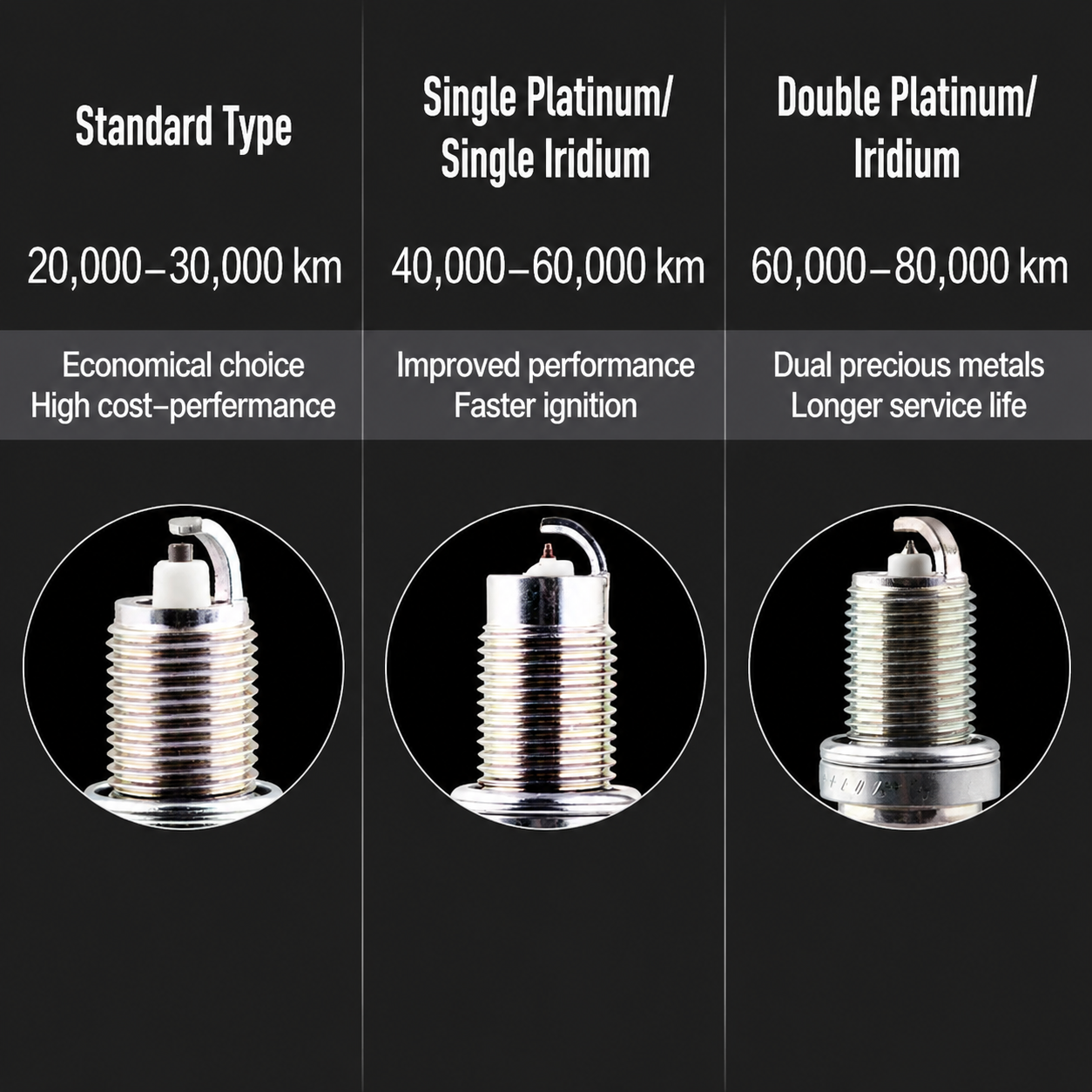
First and foremost, not all spark plugs are created equal. The metals used for the center and ground electrodes directly determine their service life.Entry-level Copper/Nickel-alloy plugs are the most affordable, but they wear down quickly—typically requiring replacement every 15,000 to 20,000 miles (20,000–30,000 km). Higher-grade options like Single Platinum, Double Platinum, Iridium, and Iridium-Platinum offer significantly longer lifespans.
At the top of the spectrum, premium Ruthenium spark plugs are engineered to deliver optimal performance for up to 90,000 to 100,000 miles (150,000 km).
2.Engine Technology Plays a Major Role
Can you simply install the highest-tier plugs and forget about them for the next 100,000 miles? Not necessarily. Spark plug longevity is heavily dictated by engine architecture and calibration.Take turbocharged engines, for example. Compared to naturally aspirated engines of identical displacement, forced-induction engines operate under substantially higher cylinder pressures and thermal loads. They demand extreme thermal shock resistance, anti-erosion capability, and robust sealing, which accelerates plug wear.
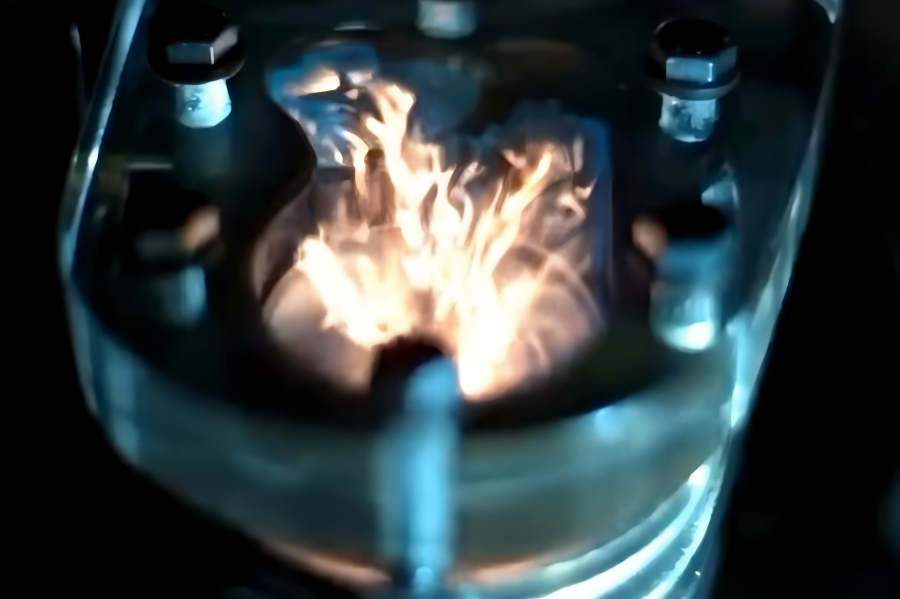
Furthermore, advanced ignition systems demand earlier maintenance. For instance, BMW’s modular B-series engines (such as the B48 and B58) recommend fresh spark plugs around 15,000 to 20,000 miles (20,000–30,000 km). These engines utilize multi-strike ignition technology, firing 3 to 8 times per combustion stroke instead of just once. More sparks per cycle translate to faster electrode erosion. When an OEM specifies a shorter service interval, it isn't a dealership cash grab—it’s engineered necessity.
3.Driving Conditions and Operating Habits
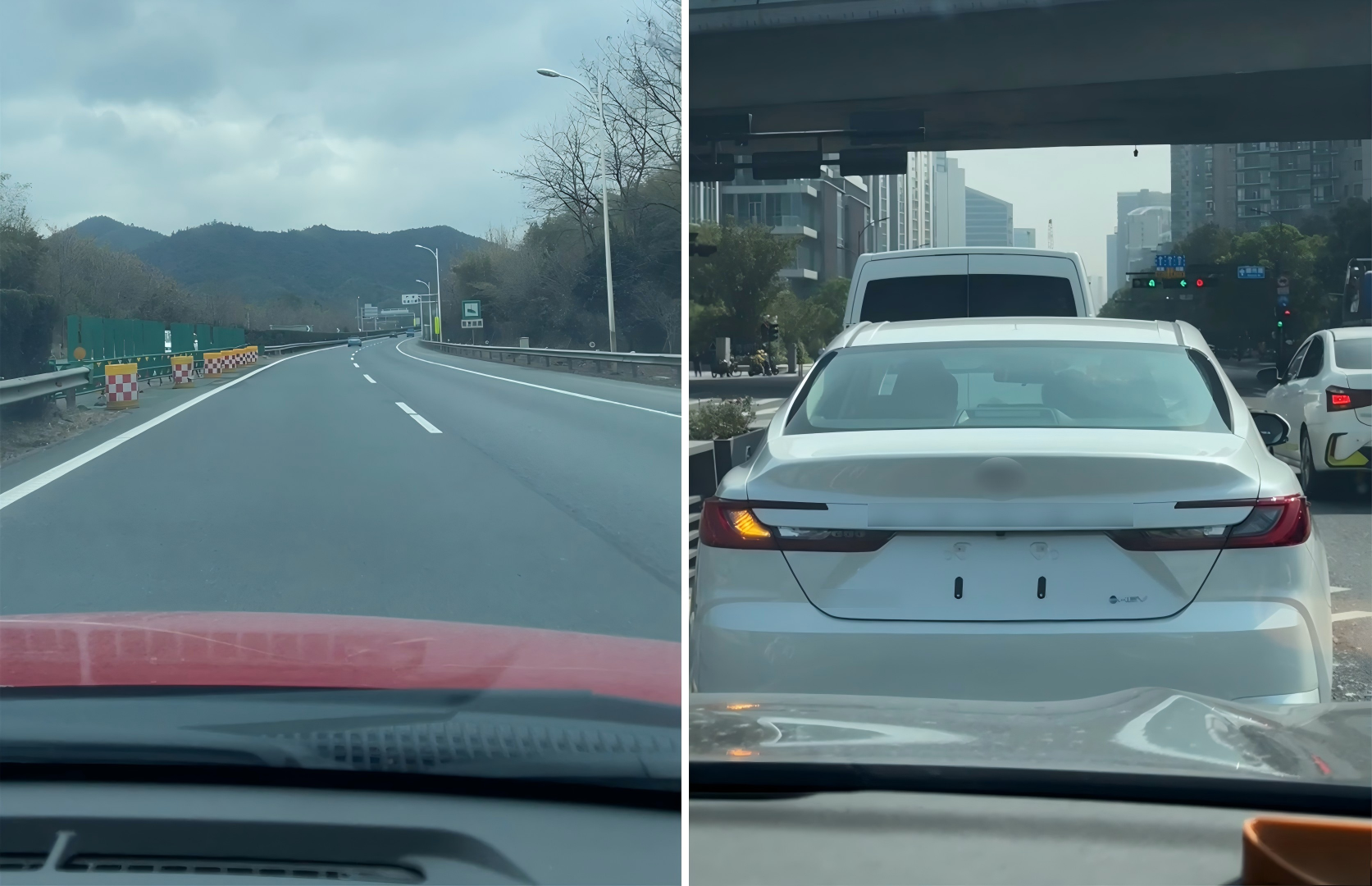
Another factor that often flies under the radar is your everyday driving cycle. Cruising on open highways places completely different demands on your engine compared to stop-and-go city commutes.In heavy traffic, engines idle frequently and run at lower RPMs. Fuel does not burn as thoroughly, allowing unburned hydrocarbon residues to adhere to the combustion chamber walls and spark plug tips—a condition known as carbon fouling. Vehicles that experience mild oil consumption will also accumulate oil ash on the electrodes, hindering proper ignition.
Because of this, ideal replacement intervals will always vary depending on your specific engine, fuel quality, and driving environment.
4.How to Inspect and Tell If It’s Time for New Plugs
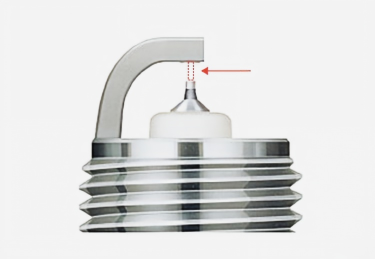
So, how do you definitively know if your spark plugs need replacing? The most reliable way is to pull them out for a visual inspection.First, check the spark plug gap—the clearance between the center electrode and the ground electrode. As plugs fire over time, the metal slowly erodes and the gap widens. A wider gap demands higher voltage from the ignition coil; once it exceeds the coil's output capacity, spark energy drops, leading to sluggish acceleration and misfires. Check your factory service manual for the specified gap tolerance—if it exceeds specs, replace them.
- **Heavy Carbon Fouling**: Thick, matte-black soot coatings cause electrical misfires or weak sparks.
- **Thermal Erosion / Melting**: Extreme combustion temperatures can blister, melt, or severely erode the electrodes, preventing normal ignition.
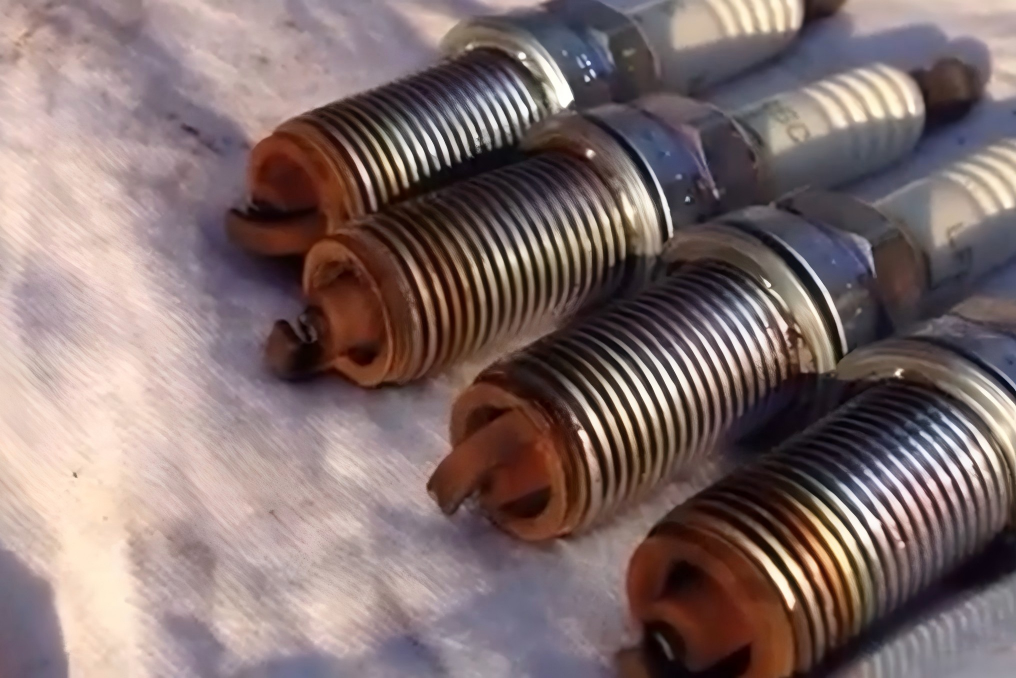
- **Manganese "Poisoning" (MMT Fouling)**: Spark plugs can also suffer from chemical fouling. This happens when using low-quality fuels or off-brand additives containing MMT (a manganese-based anti-knock agent). Combustion leaves reddish-orange deposits across the ceramic insulator and ground strap. If you spot these red deposits, the plug is poisoned and must be replaced.
5.Summary
Ultimately, manufacturer mileage recommendations serve as a baseline guideline. The true deciding factor comes down to physical electrode wear, gap measurements, and whether there are clear signs of carbon fouling, contamination, or thermal erosion.Post time:Sep-25-2020
