Do you actually need to replace your car's fuel filter, and if so, how often? A lot of drivers are completely in the dark about this.
Honestly, if you don't pick up a little basic car maintenance knowledge, repair shops and dealerships will happily drain your hard-earned cash. Today, let's break down everything you need to know about fuel filter replacement from a mechanic's perspective.
The Two Types of Car Fuel Filters
Generally speaking, vehicles come equipped with one of two types of fuel filters. Knowing which one your car has makes all the difference in your maintenance schedule.
1. External (Inline) Fuel Filters
An external fuel filter is typically mounted along the undercarriage near the fuel tank, making it fairly easy for a mechanic to access and swap out.
-
Replacement Interval: Every 15,000 to 20,000 miles (roughly 20,000 to 30,000 km)
-
Cost: Very affordable
Automakers design this type as a standard wear-and-tear item meant to be serviced regularly, so staying on top of it won't break the bank.

2. Internal (In-Tank) Fuel Filters
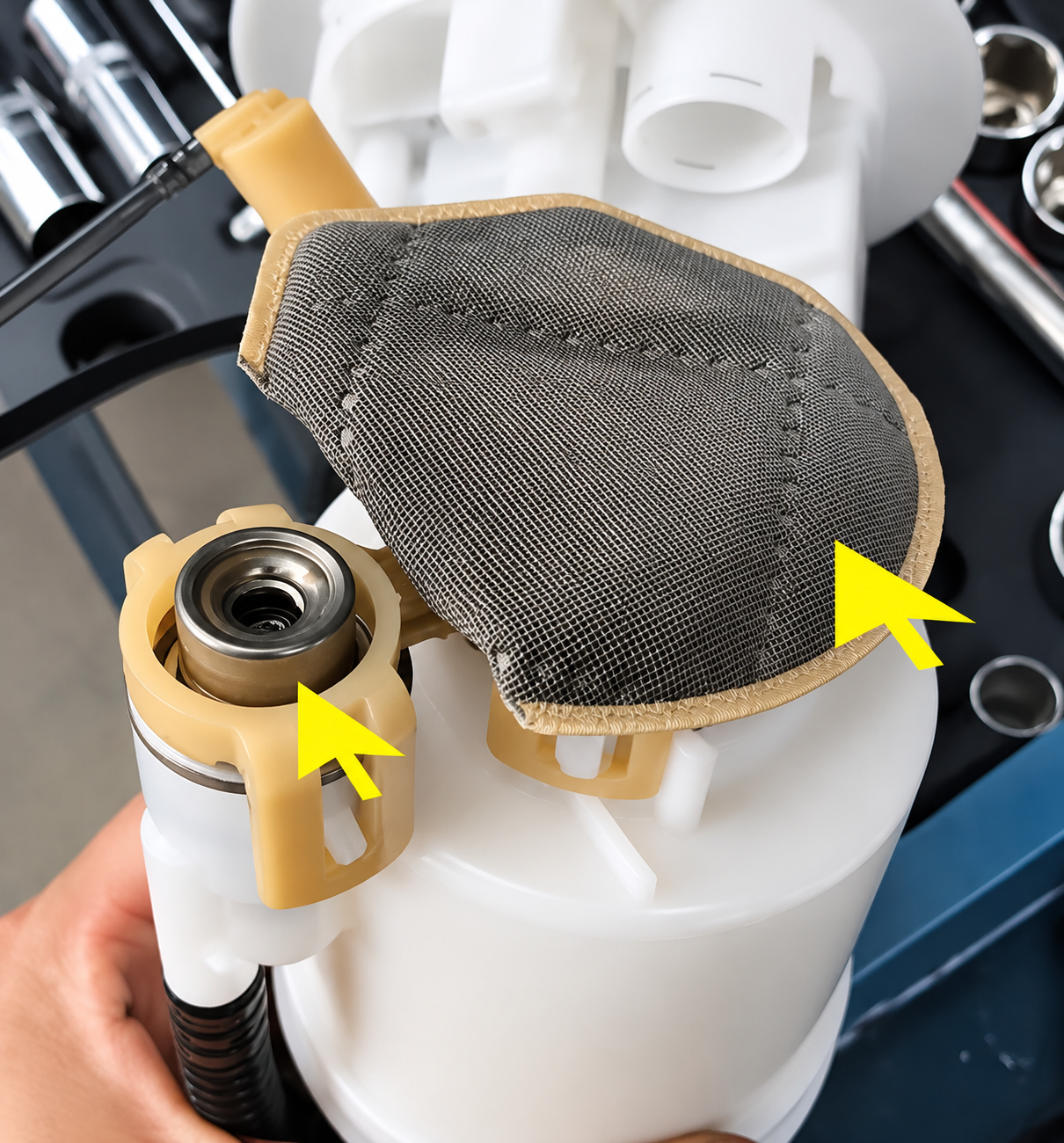
An internal fuel filter is built directly into the fuel pump assembly and sits completely submerged inside the fuel tank.
-
Replacement Interval: Generally maintenance-free
-
Lifespan: Designed to last the entire lifespan of the fuel pump
Because internal filters are noticeably larger than external ones, automakers engineer them to be long-lasting. You typically only need to worry about replacing an in-tank filter if the fuel pump itself ever fails.
"I've Driven 100,000 Miles Without Changing Mine—Why Bother?"
At this point, someone is bound to say, "Hey, I've driven my car for nearly 100,000 miles and never changed the fuel filter, and it still runs fine!"
Well, my friend, just because you haven't replaced it after all those miles doesn't mean nothing's wrong. A fuel filter doesn't really "break"—it clogs.
Here is what happens when you skip replacing an external filter:
-
Dirt and debris build up, restricting fuel flow.
-
Your fuel pump has to work overtime just to maintain proper pressure.
-
That extra strain causes the pump to overheat and burn out prematurely.
-
Once the fuel pump dies, your car won't start—leaving you stranded and waiting for a tow truck.
Replacing a failed fuel pump can easily run you $700, $800, or even over $1,000. Ask yourself: was saving thirty or forty bucks on a routine filter really worth it?
Signs of a Clogged Fuel Filter
Beyond risking a blown fuel pump, driving with a dirty filter hurts your car's everyday performance. Watch out for these common symptoms of a clogged fuel filter:
-
Sluggish acceleration and noticeable loss of engine power
-
Worse gas mileage (higher fuel consumption)
-
Faster buildup if you frequently buy cheap fuel or fill up at questionable gas stations
If you use lower-quality fuel regularly, sticking to your filter replacement schedule becomes even more critical.
Bottom Line: Don't Overlook Your Fuel Filter
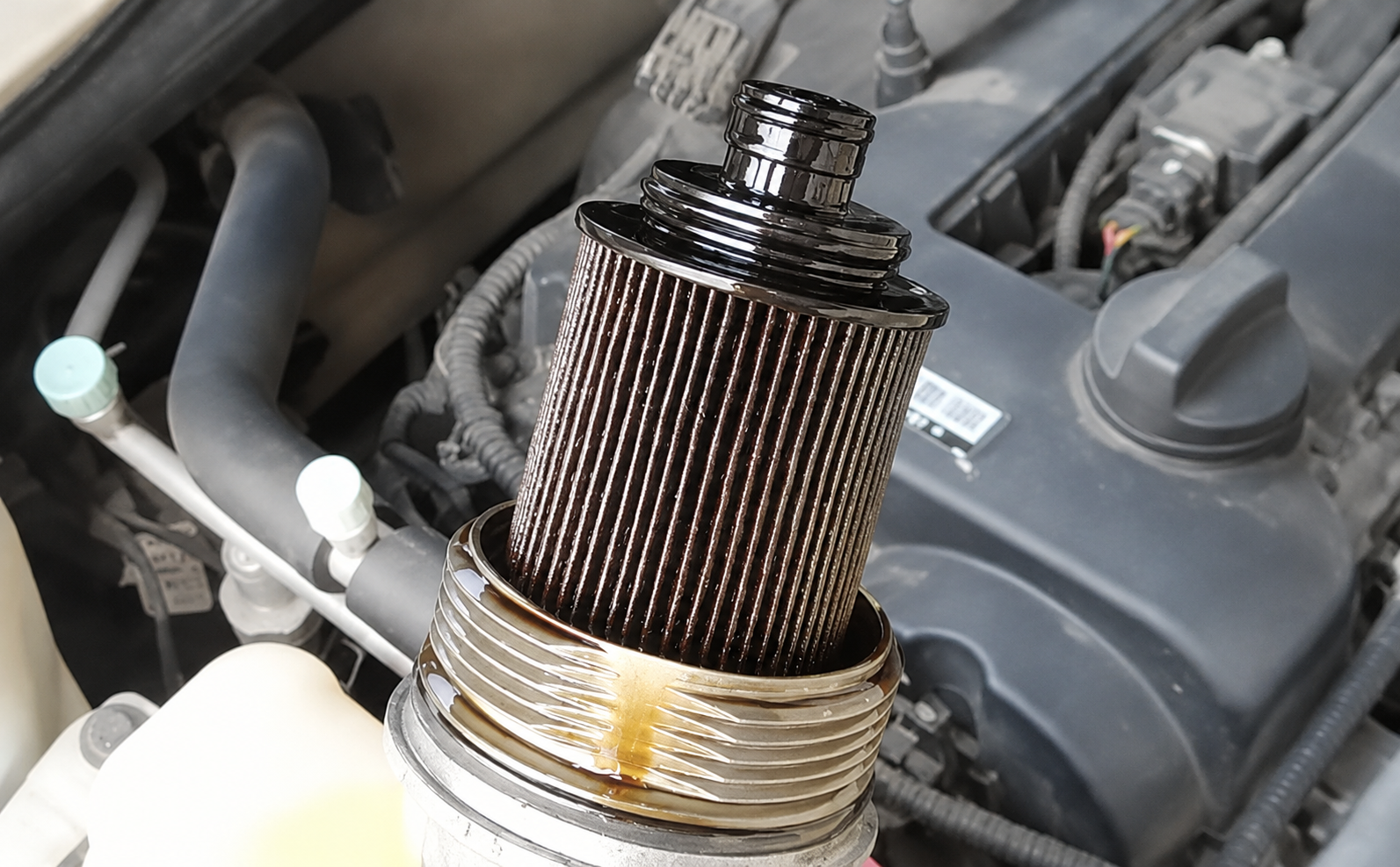
Most drivers only remember to change their routine oil, engine air, and cabin air filters while completely overlooking the fuel filter.
Check your owner's manual or ask your mechanic whether your car uses an inline or in-tank filter. Knowing the difference will keep your car running smoothly—and keep you from getting ripped off at the shop.
FAQ
How often should an external fuel filter be changed?
Most mechanics recommend replacing an external (inline) fuel filter every 15,000 to 20,000 miles (20,000 to 30,000 km), or sooner if you frequently use low-quality gas.
Do all cars need their fuel filter replaced?
No. Cars with internal (in-tank) fuel filters are designed to be maintenance-free and only need the filter replaced when the entire fuel pump assembly is swapped out.
What happens if you never change a serviceable fuel filter?
It will eventually clog, leading to poor acceleration, reduced fuel economy, and severe strain on the fuel pump—which can result in a breakdown and a
700–
1,000+ repair bill.
Post time:Sep-25-2020